Accommodation on Safari
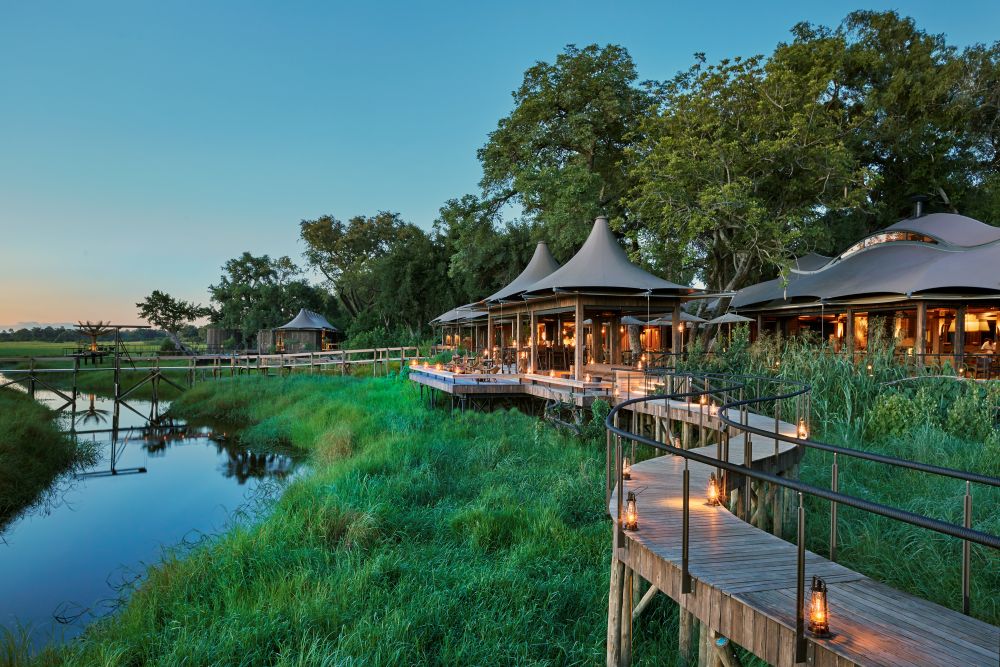
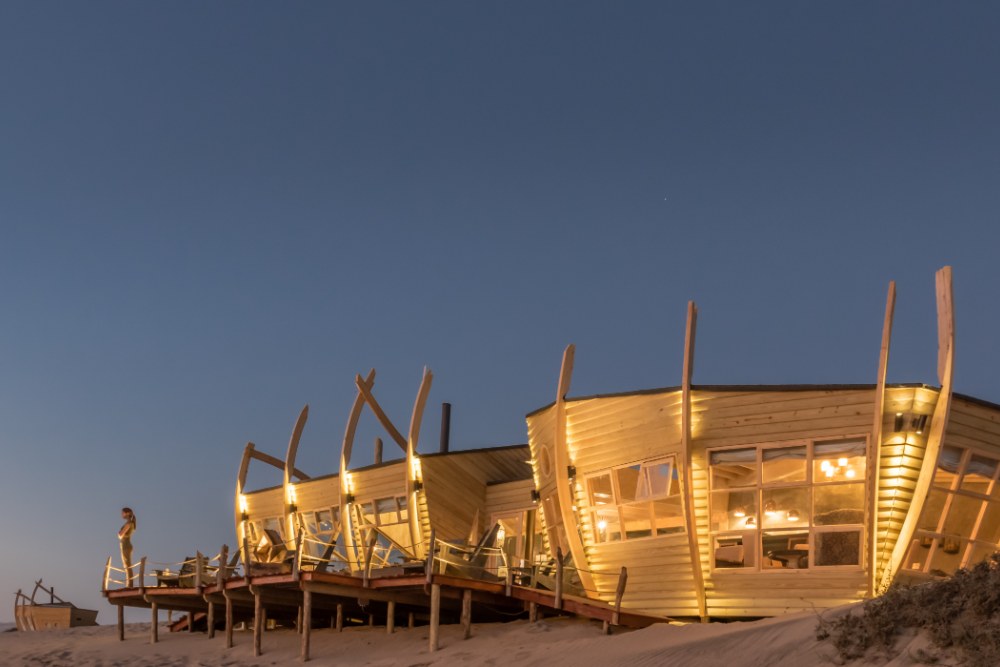
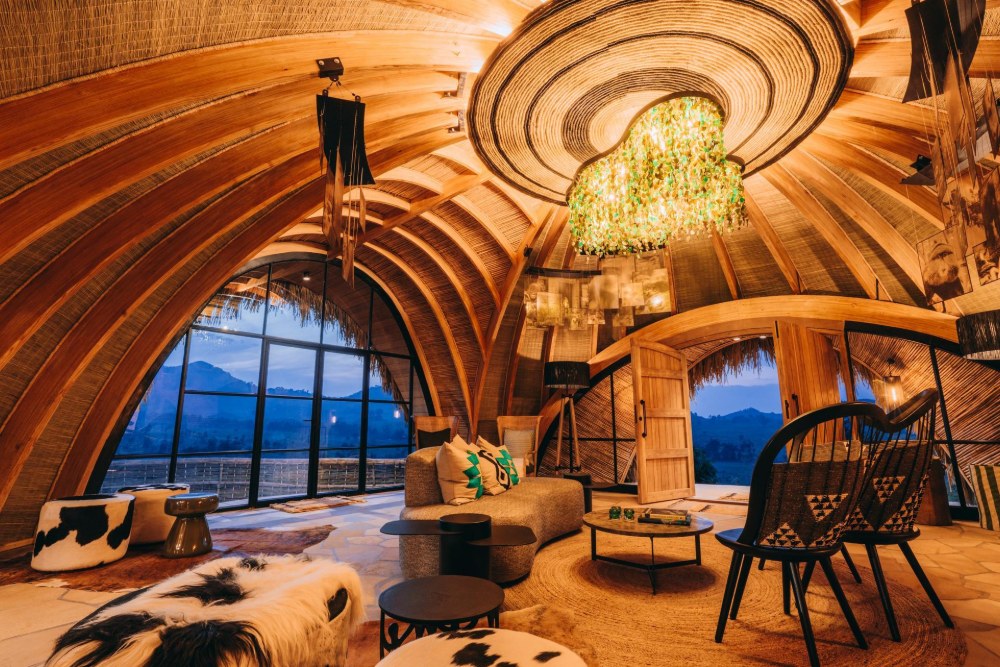
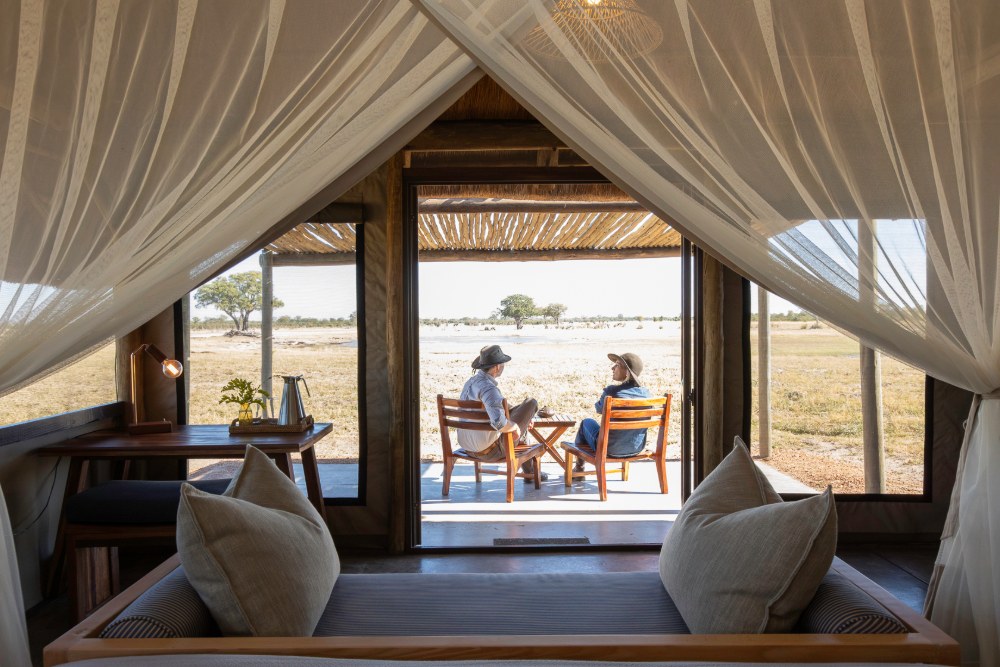
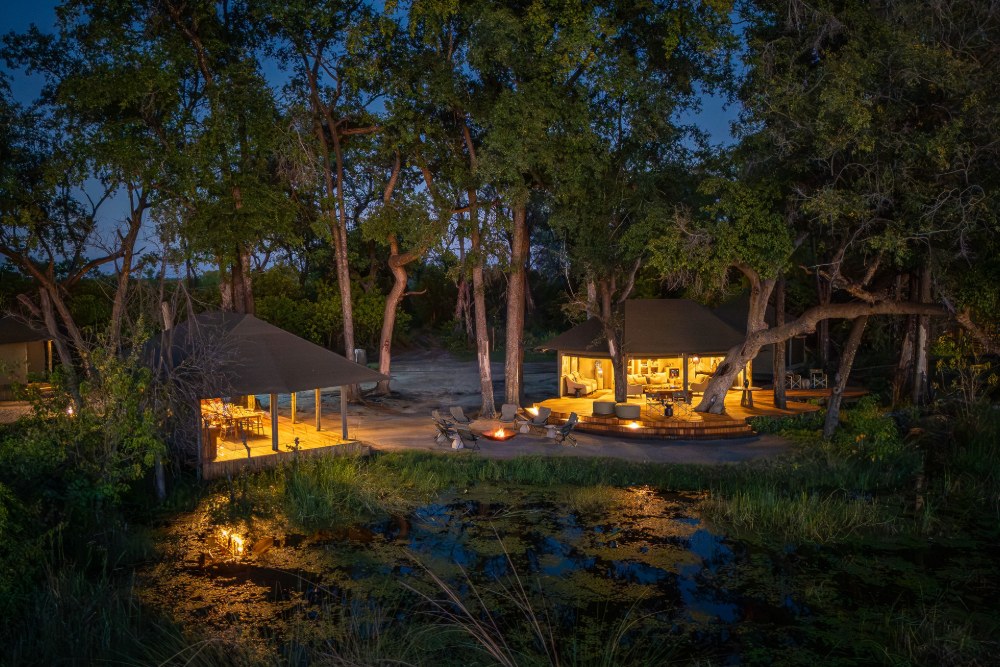
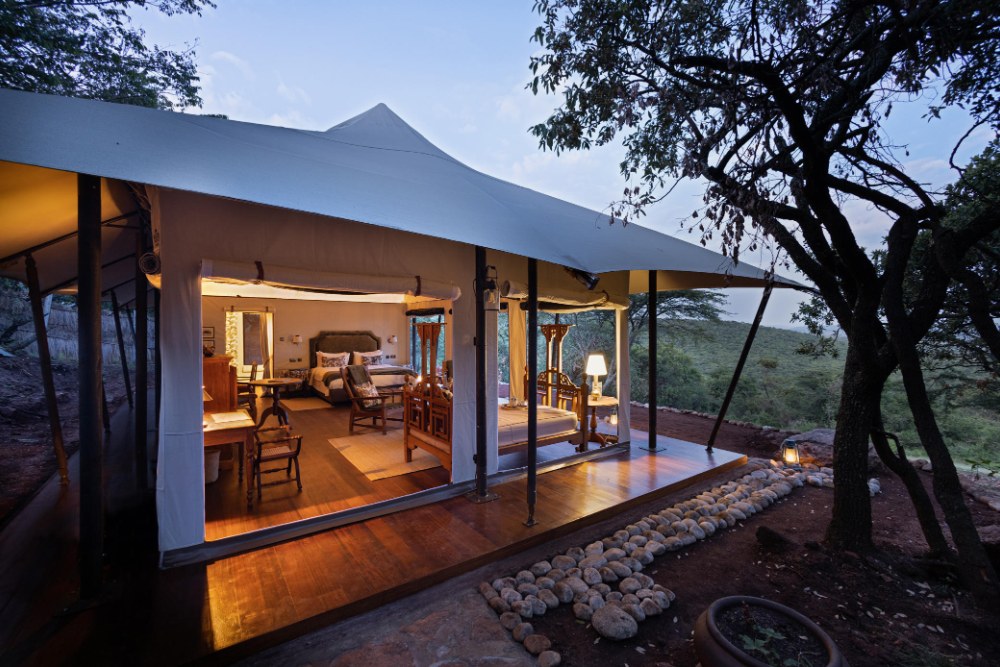
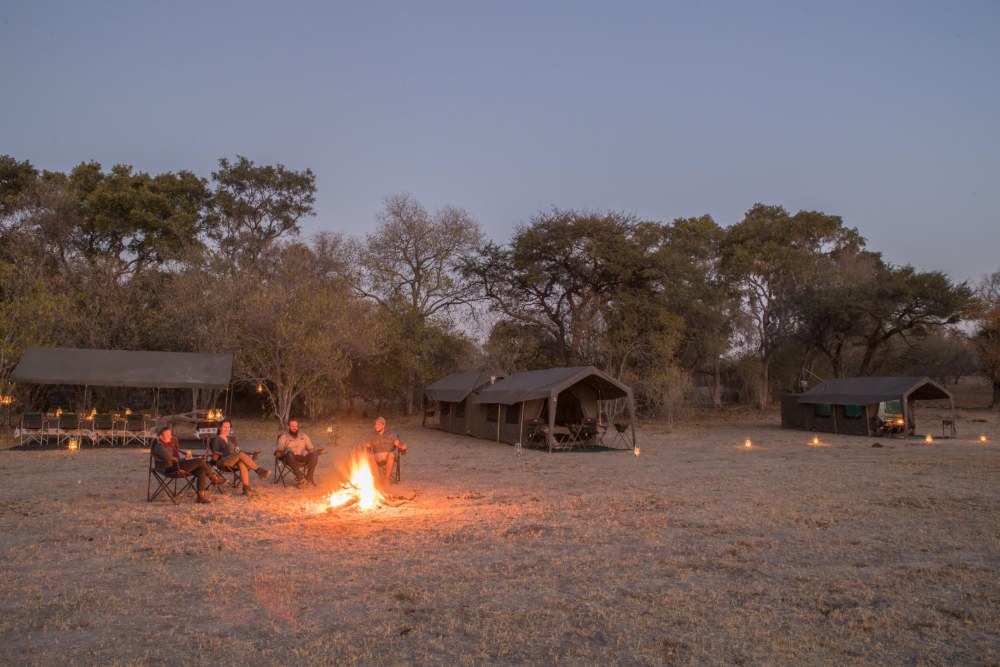
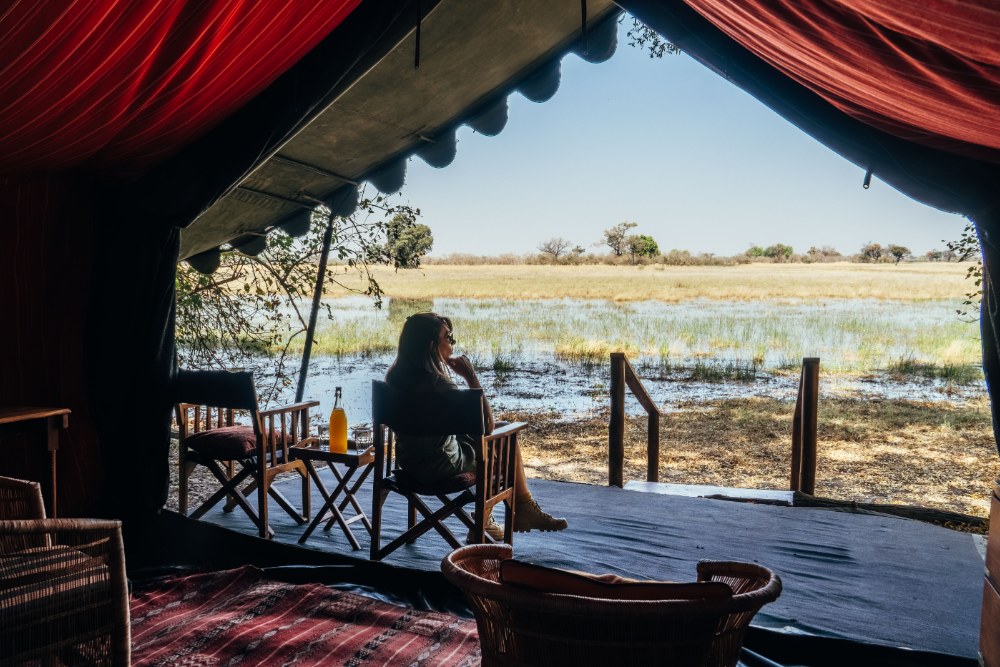
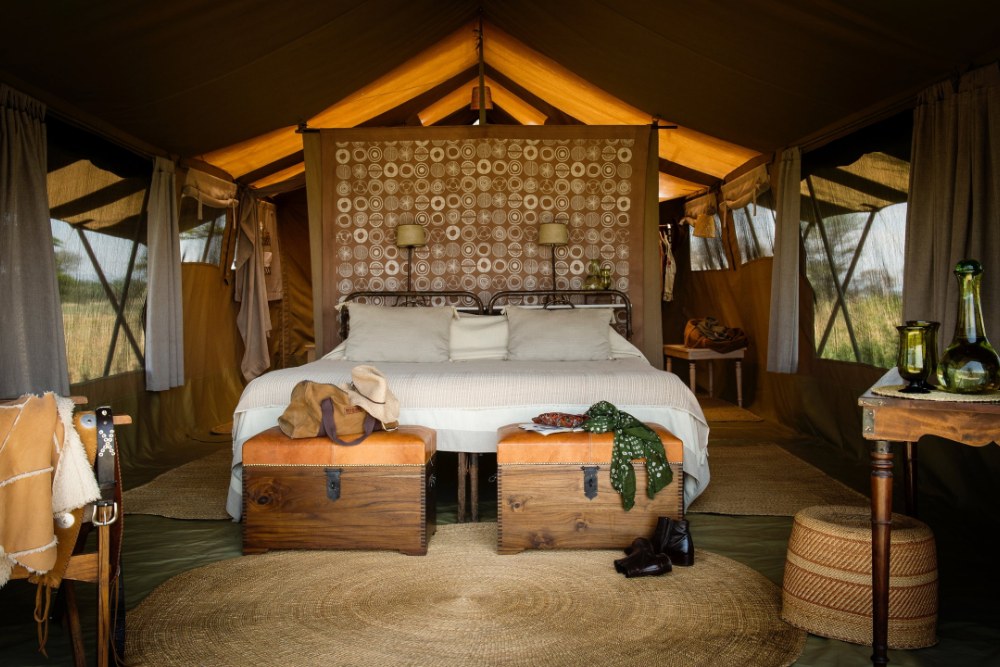
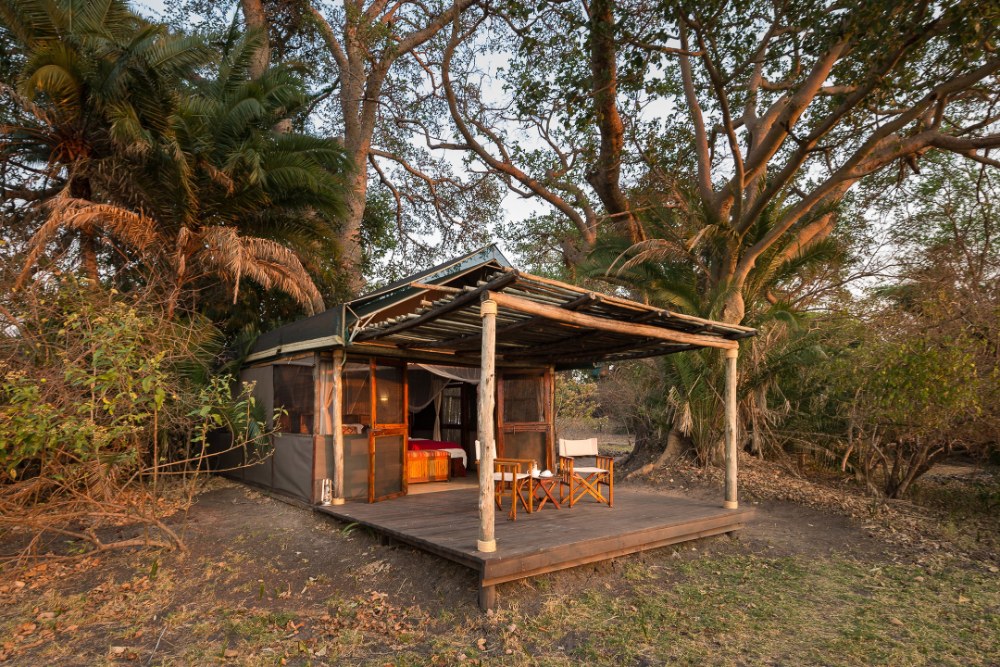
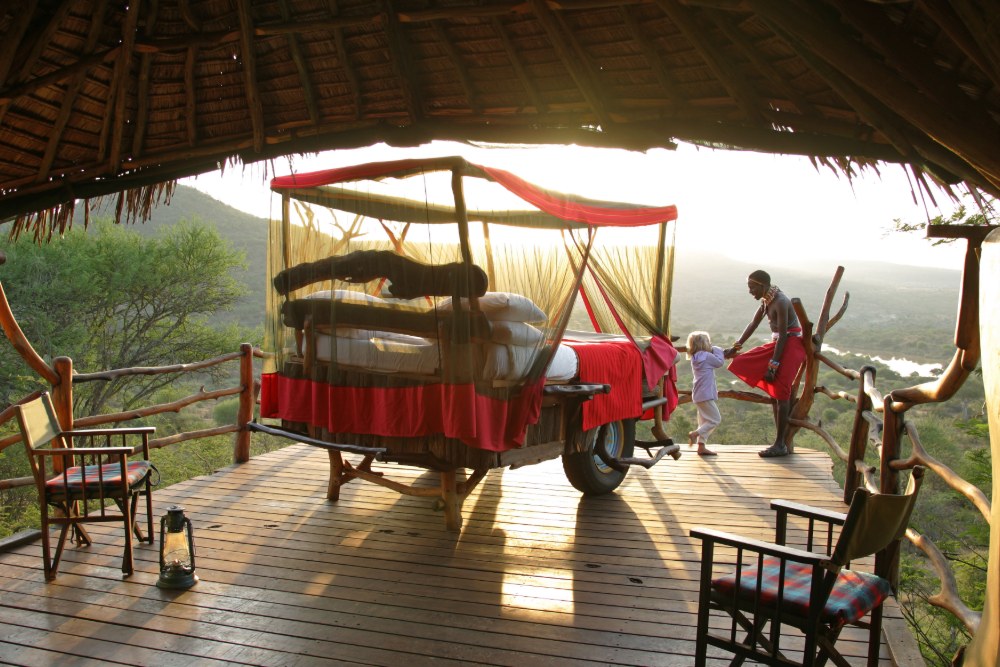
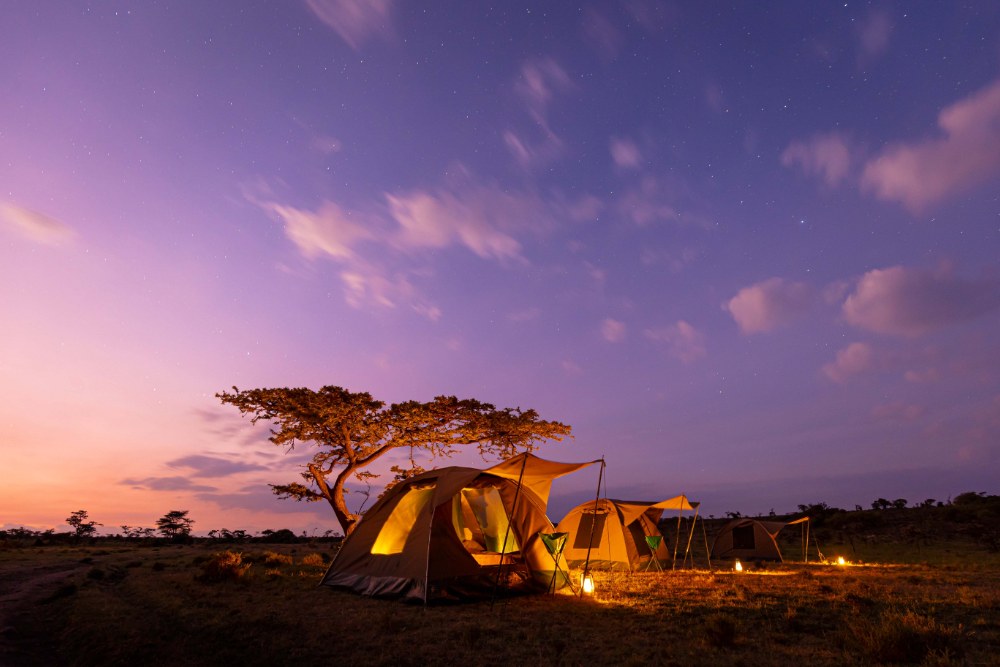
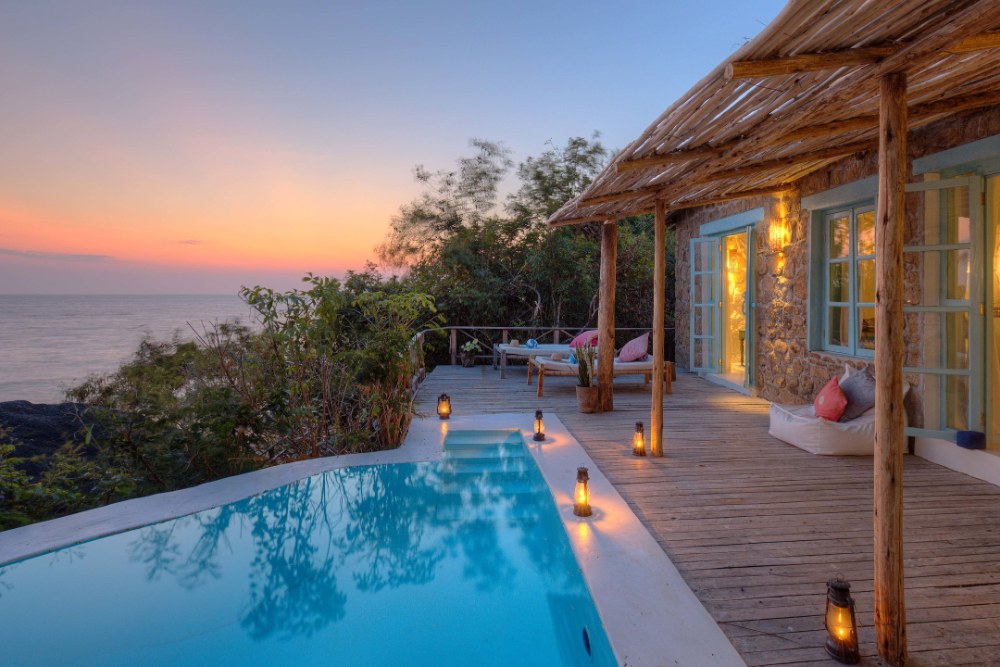
As the sun drops over the plains and the first nightjar starts calling, where you sleep becomes part of the safari. Lodges are the most permanent option. They’re often quirky in design, with en-suite rooms, a main building for dining and drinks, and usually a pool. Tented camps swap walls for canvas without losing much else: the tents are spacious and en-suite, and everyone meets in a central dining area and bar. Semi-permanent camps are their remoter cousins. They’re often taken down at the end of each season, and many have a bucket shower and long-drop loo instead of running water.
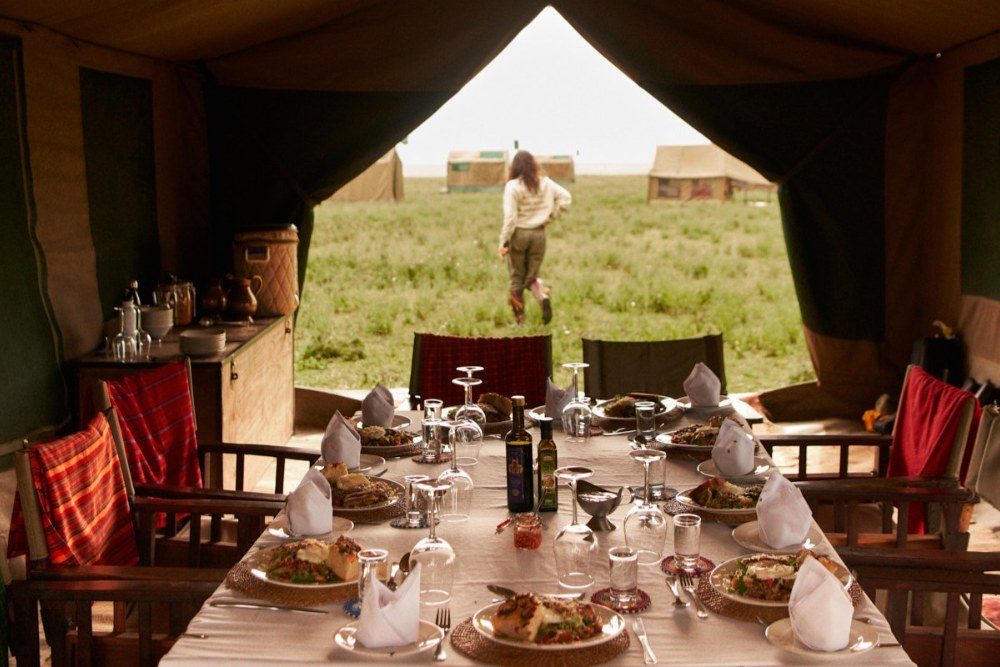
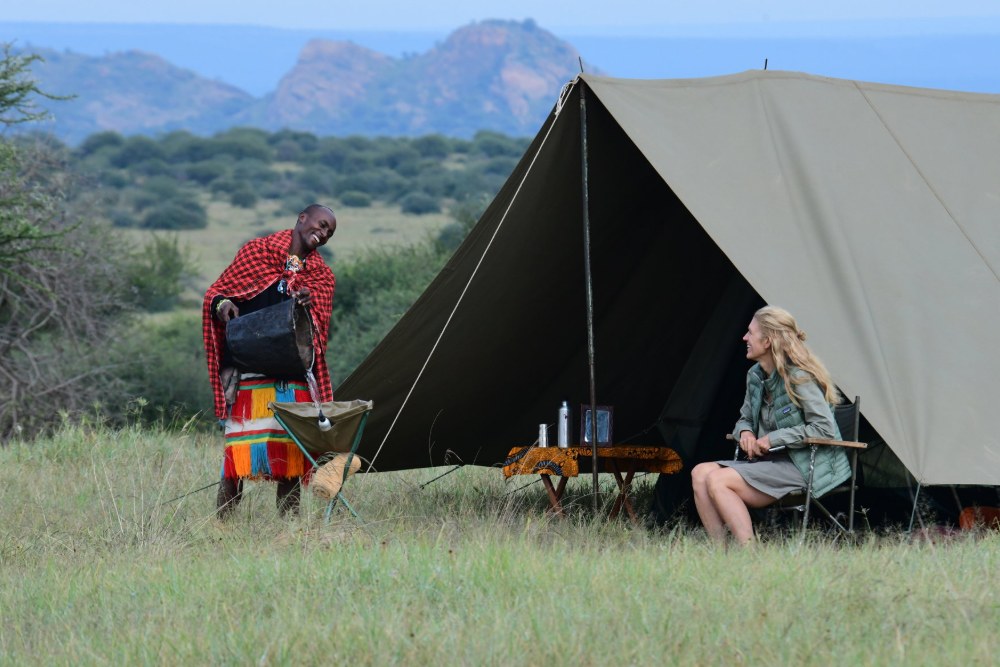
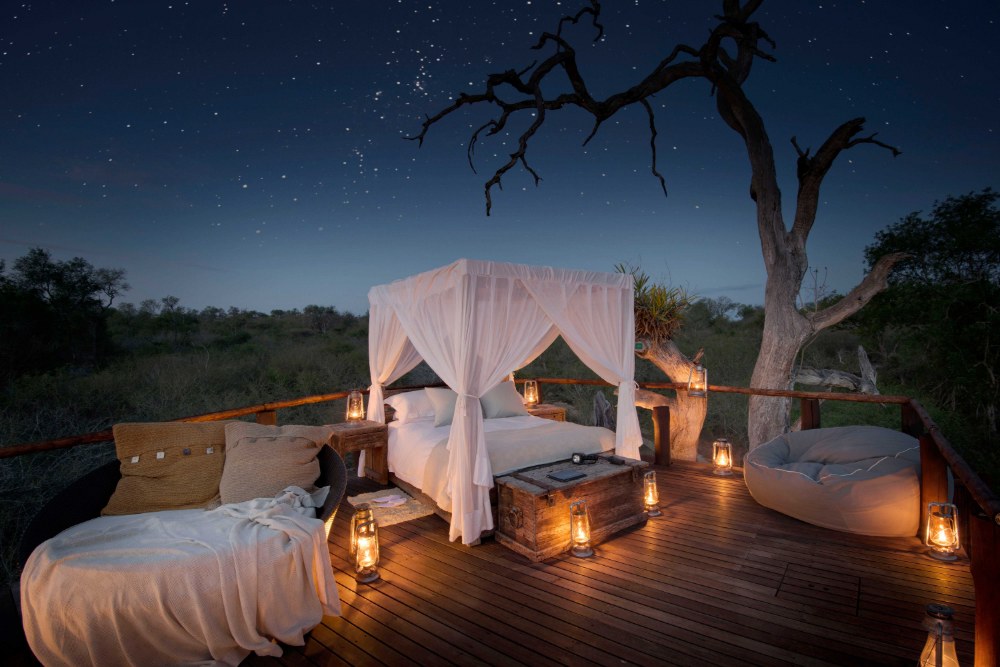
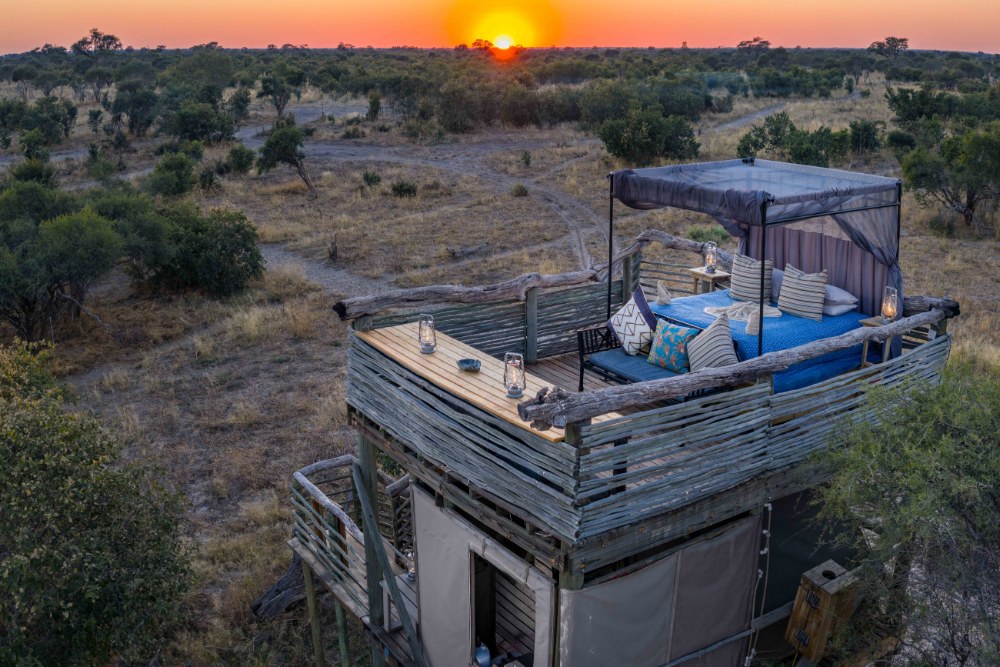
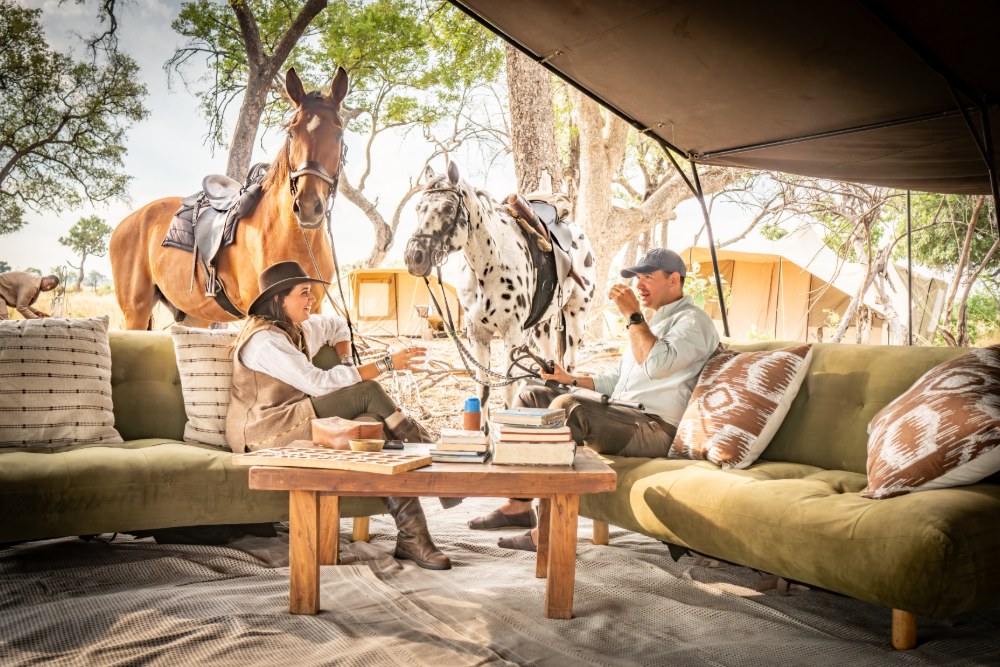
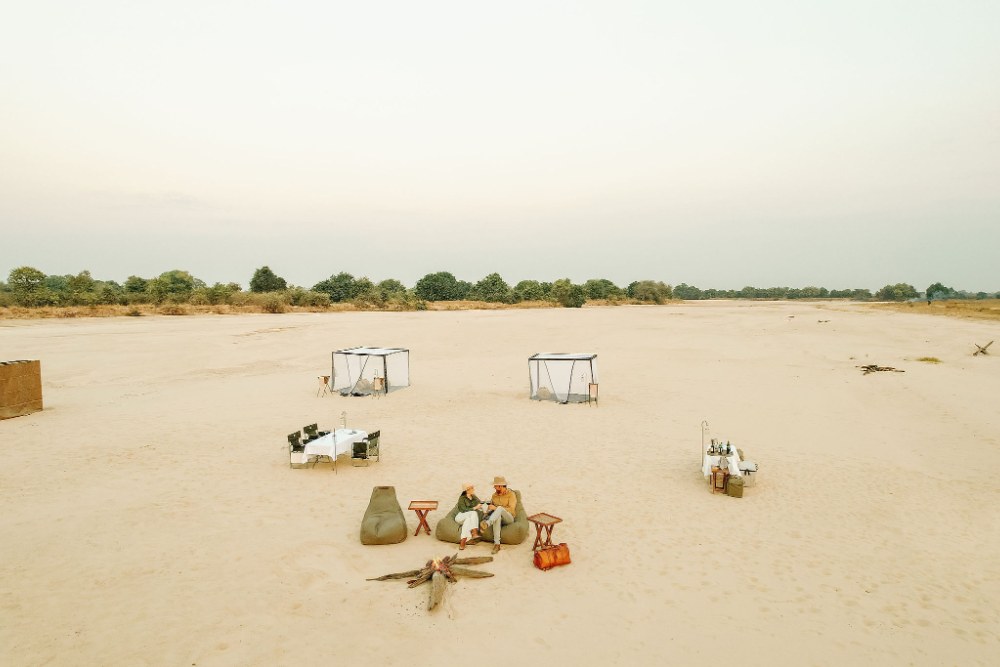
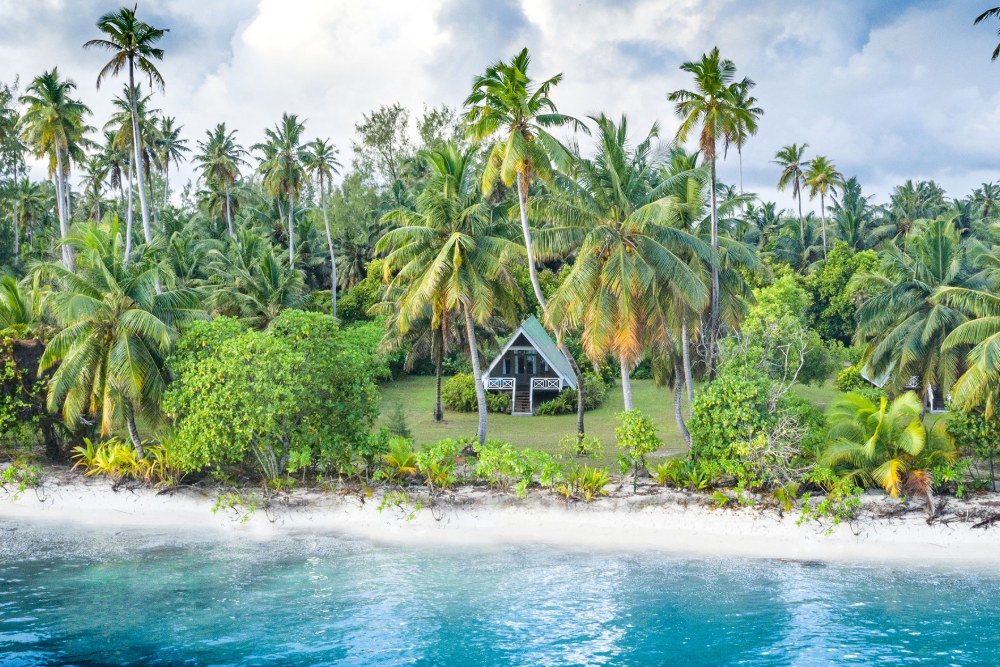
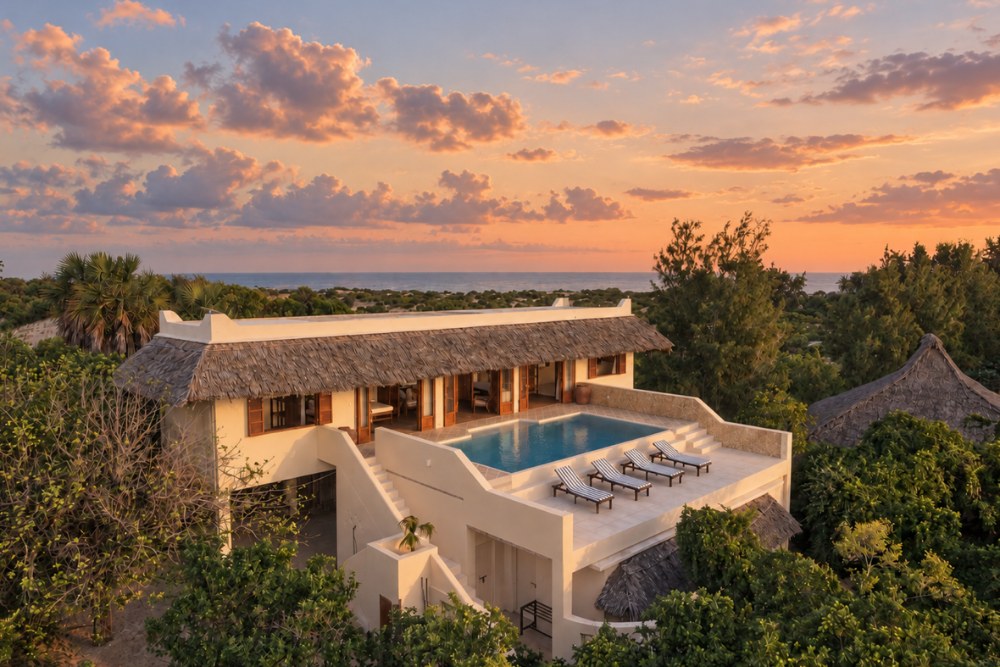
If you want to get closer to the wild, a mobile safari moves with you, and the tents go up before you arrive in remote spots chosen for the wildlife. Fly camping travels lighter still, with a night or two out on foot, by horse or by canoe. Sleep-outs do away with the tent altogether, and range from a simple bedroll to a four-poster star bed on a raised platform. Families and groups of friends can have a private safari house to themselves, with their own chef, guide and vehicle. When the drives are done, a beach stay on the Indian Ocean islands or the east African coast gives you a slower pace after all those early starts.
Most of the places we recommend are small, typically taking eight to 20 guests. We’ll talk through what you like and what you don’t, then suggest the ones that suit you. Our experts travel twice a year, so many of them are places we’ve stayed ourselves. Below are three of our favourites for each style, and you can click on any of them to find out more. Give us a call or get in touch, and we can start with where you’d like to sleep.