
The A-Z guide to safari animals
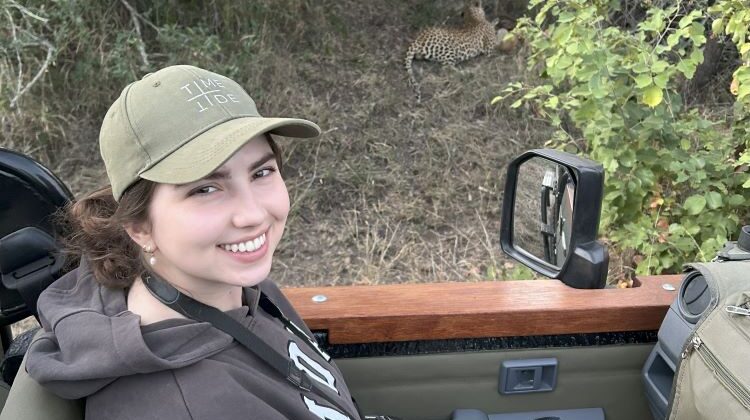
From the moment you set foot on the dusty savanna, a safari is an unforgettable journey of discovery. With such a vast and diverse animal kingdom, it’s impossible to know what you might see next. To help you prepare for the adventure, I have put together an A-Z guide of some of the most iconic, elusive, and fascinating animals you might encounter. Get ready to go on an alphabetical safari…
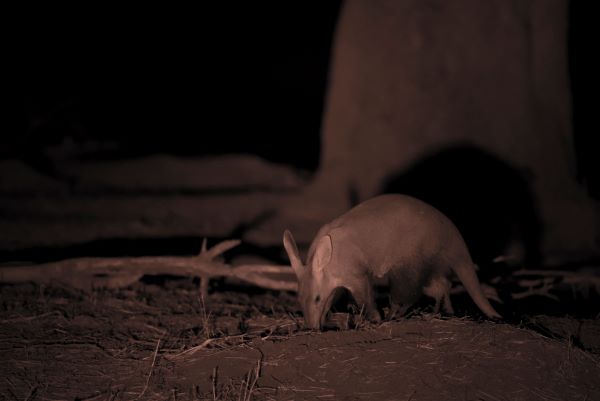
Aardvark: Meaning ‘earth pig’ in Afrikaans, these expert diggers can create a burrow in minutes and play a vital role in the ecosystem. Once abandoned, their burrows provide shelter and protection for species such as jackals, warthogs, and pythons. At Old Mondoro in Zambia, 92 sightings were recorded last year, including seven on a single night drive.
Buffalo: One of the ‘Big Five’ the African buffalo is a formidable and moody presence. With their large, curved horns, they are powerful and are often seen in huge herds.
Cheetah: The fastest land animal on Earth, their sleek, spotted bodies are a marvel of natural engineering, they are the only cats whose claws don’t fully retract – this gives them traction when running. There is a theory that cubs are born with colourings akin to honey badgers as a way to protect them from predators.
Dik-Dik A tiny, shy antelope no bigger than a rabbit. These little animals are often seen in pairs and communicate by making a distinctive “zik-zik” sound when alarmed.

Elephant: The largest living land mammal. They communicate in rumbles and have names for one another. Their feet expand and retract by 20% so they don’t get stuck in mud, this also helps them walk soundlessly.
Flamingo: Seeing a flock of flamingos turn a lake into a sea of pink is a stunning sight. They get their vibrant colour from the algae and crustaceans they eat.
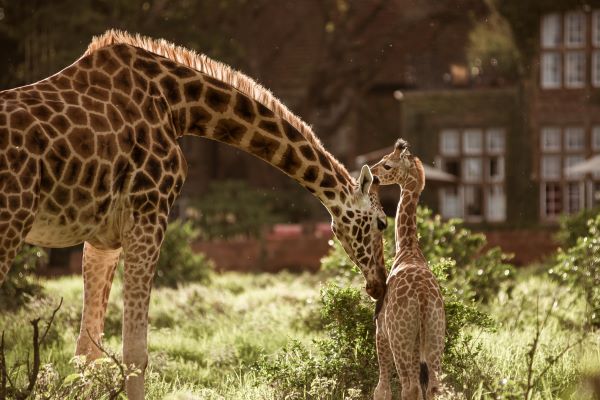
Giraffe: Darwinism speculates the giraffe’s neck, which can be up to six foot long, is a result of stretching to reach acacia leaves. Their unique coat patterns act like human fingerprints, with no two giraffes having the same markings, and their saliva has fast-healing properties, repairing cuts from eating thorns.
Hippopotamus: They’re faster than you may think. A hippo can run at a top speed of up to 19 mph (30 kph) on land over short distances. For context, the average human running speed is only about 6-8 mph. Studies have shown that when hippos run at their top speed, they can lift all four of their feet off the ground for brief moments, just like a horse at a gallop. They secrete a natural sunscreen which is what gives parts of their skin a pink colour.
Impala: A graceful and common antelope. Impalas can make spectacular leaps into the air, a display of strength to ward off predators. They have glands above their feet which they use to secrete scent to throw predators off their track.
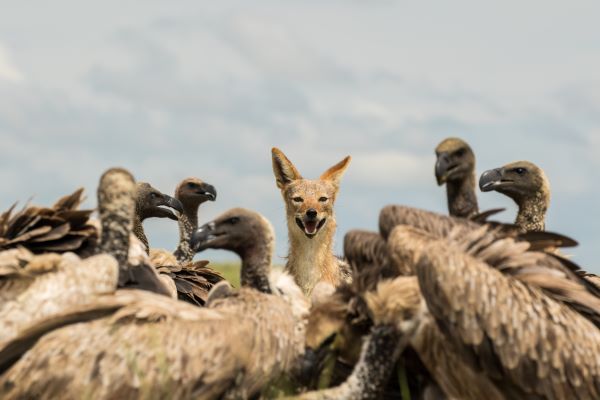
Jackal: Often mistaken for foxes, jackals are opportunistic omnivores. You’ll often see them scavenging near a lion’s kill or hunting smaller prey.
Kudu: A magnificent antelope with large, spiralled horns. Kudu are known for their exceptional camouflage and their elusive nature, making them a special sighting. They curl their tails up when moving to reveal a white underneath; this helps them to follow each other.
Lion: The undisputed “king of the savanna” and a member of the “Big Five.” Lions are the only social big cats, living and hunting together in prides. They have black patches on the backs of their ears and on the ends of their tails so they can see each other during a hunt.
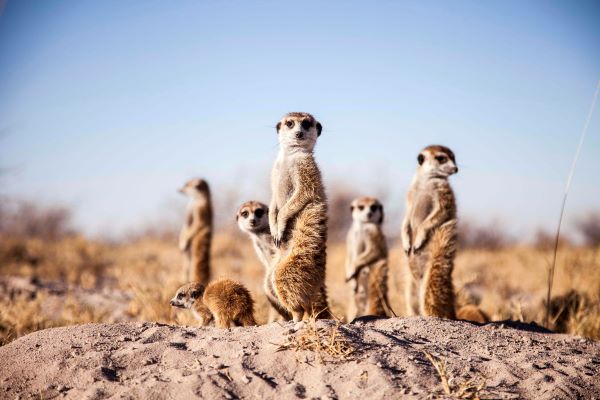
Meerkat: Known for their social behaviour and vigilant nature, meerkats are a joy to watch. You’ll often see one standing tall on its hind legs, acting as a lookout for the colony. For some of the best meerkat encounters, considering staying at Jack’s Camp, San Camp, or Camp Kalahari on Botswana’s Makgadikgadi Pans.
Nile crocodile: They can hold their breath for up to two hours and you will often see them with their mouths open to regulate their temperature.
Ostrich: The world’s largest bird, known for its powerful legs and impressive speed. Ostriches can’t fly, but they can run at speeds up to 45 mph. The females have brown feathers and the males black.
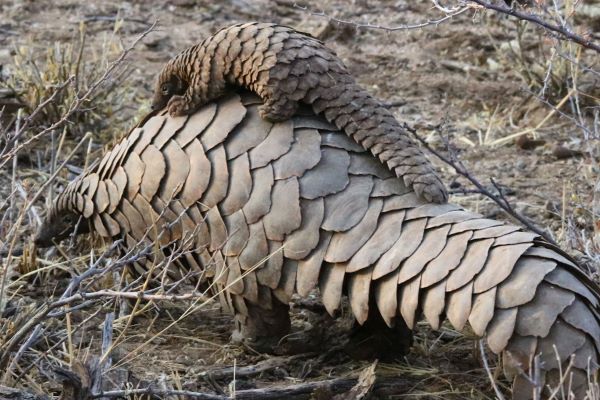
Pangolin: A rare and elusive creature. Pangolins are covered in tough, protective scales and will roll into a tight ball when threatened – they are the only mammal with scales. Seeing one is considered incredibly lucky. &Beyond run an excellent Pangolin conservation experience which you can partake in while staying on the Phinda Private Reserve, perhaps at Phinda Forest Lodge or Phinda Rock Lodge.
Quelea: A small, sparrow-like bird that belongs to the weaver family and is considered to be the most abundant wild bird species in the world. They are found across sub-Saharan Africa and are known for forming enormous, dense flocks that can number in the millions, a truly spectacular sight.
Rhino: The rhino is a magnificent and powerful animal, sadly under threat from poaching. White and black rhinos are the same shade; they have gained their names from a mistranslation of ‘wide’ for the wide-lipped, ‘white’ rhino. Seeing one of the last remaining rhinos is an unforgettable and humbling experience. In Nambia, while staying at Ongava Lodge, (ongava meaning rhino in the local Heroro language) I was fortunate enough to witness 15 at a waterhole on a nightdrive.

Serval: A slender, medium-sized cat with the longest legs of any feline relative to its body size. Servals are superb hunters, known for their ability to leap high to catch birds.
Tsetste fly: Female tsetse flies are nurturing mothers, feeding their offspring within them with a nutrient rich liquid until they are ready to go out into the world. They are dangerous to livestock, meaning vast plains filled with just the tougher mammals like wildebeest and buffalo can exist.
Ugandan kob: this is similar in appearance to an impala, but is reddish brown and has white rings around its eyes.
Vulture: Often misunderstood, vultures play a crucial role as nature’s clean-up crew. When vultures fly in circles, they are actually not waiting for prey to die. They are using thermals to keep them in the air without having to flap their wings. This is important for conserving energy between feeding.

Wildebeest: Also known as a gnu, wildebeest are famous for their great annual migration. They travel in vast herds across the African plains in search of fresh grazing grounds. They have inter-digital glands and mark their territory by pawing their forelegs on the ground.
Xerus: Known as the African ground squirrel, they are diurnal, very social and live in burrows. They don’t hide or store food, but hunt for it daily.
Yellow-billed Hornbill: A distinctive and common bird. Hornbills are known for their large, yellow beaks and their unique nesting habits, where the female seals herself into a tree cavity.
Zorilla: Also known as the striped polecat, the zorilla is a small carnivorous mammal native to sub-Saharan Africa. Though it closely resembles a skunk, it is unrelated and is in fact part of the weasel family, alongside badgers and otters. Guests at Laikipia Wilderness Camp were treated to a recent sighting of this elusive species.

What next?
Sign up to our free Insiders Guide to Africa. We would be delighted to help with planning your perfect safari, whenever you want to travel. Our team of experts has travelled widely throughout Africa and the Indian Ocean and can offer expert advice. Do get in touch – chatting to people by phone or email is what we do best. We listen, we explain, we answer all sorts of questions even those you didn’t know to ask, and finally we make suggestions. If this is your first time to Africa or your twenty first, we have a team standing by to help make the planning easy and the journey the best ever. Please get in touch whatever stage you’re at.

Leave a Reply