
Madagascar – a biodiversity hotspot

Why your trip to Madagascar will be life-changing, and not just for you.
We sat down with Edward Tucker-Brown, founder of Madagascar Classic Collection, to hear about his journey to Madagascar and the passion that has kept him committed to its people, forests, and wildlife ever since. Here’s what he has to say:
“Madagascar is often described as a biodiversity hotspot — but what does that mean, and why should we care? Around 50% of the world’s plant species and 42% of its land animals are found in just 2.4% of the Earth’s land area. Regions that make up this tiny fraction are what scientists call biodiversity hotspots. If we want the planet’s plant and animal species to survive, it’s not enough to simply appreciate these places — we need to actively conserve and protect them.
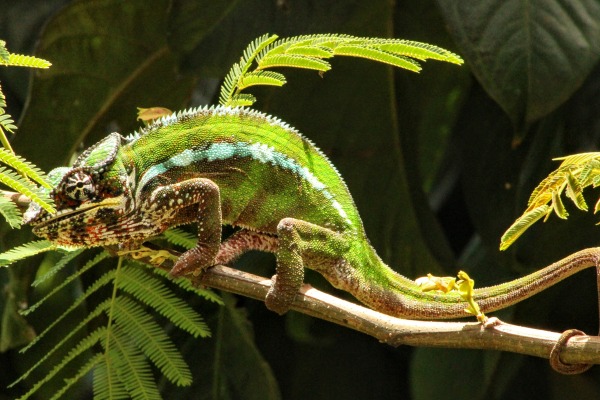
Mosola Forest chameleon
Madagascar has been isolated for tens of millions of years, and many of the plants and animals that live there exist nowhere else on Earth. Scientists estimate that around 95% of its reptiles, 90% of its plant life, and 85% of its animals are endemic to the island. In fact, roughly 5% of the world’s species can be found in Madagascar alone; to put this into perspective, 1 in every 20 species on earth is found in Madagascar, which highlights just how important it is as a global biodiversity hotspot.
I moved to Madagascar in 2006 after spending several years working in tourism across East Africa. Travelling by motorbike, I soon realised that some of its most extraordinary regions were also the most remote – inaccessible and largely untouched by tourism. When I founded Madagascar Classic Collection, my vision was to create opportunities for travellers to experience these remarkable places while staying in comfort.
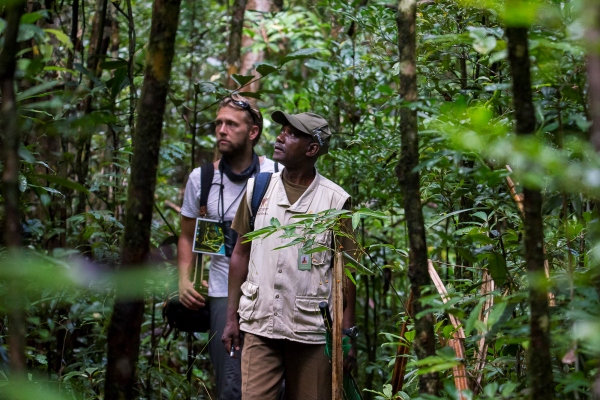
Masoala Forest Lodge
It soon became clear that Madagascar’s biodiversity was facing increasing pressure. Since I moved here, the country’s population has more than doubled. Its forests have come under significant strain and widespread deforestation has taken hold. Despite these losses, the World Wildlife Fund (WWF) reports that virgin forests still account for around a quarter of Madagascar’s remaining forest cover – a powerful reminder that while much has been lost, critically important ecosystems remain and must be protected.

Mandrare River Camp, Verreauxs-sifaka
One of the greatest challenges in safeguarding these extraordinary environments is accessibility. Madagascar stretches roughly 1,000 miles (1,600 km) from north to south and about 350 miles (570 km) across, making it the fourth-largest island in the world. With limited infrastructure, its scale makes conservation work complex and costly. Many endemic species inhabit remote forests that are difficult to reach, monitor, and defend. While numerous NGOs work tirelessly on the ground, funding is less than is required for the scale of protection needed.
As a result, our focus quickly evolved into tourism as a vehicle for conservation. Thanks to the support of our guests, Mandrare River Camp has become a driving force in protecting Madagascar’s unique spiny forests. The rapid growth of the nearby Ifotoka community has increased demand for firewood and charcoal for cooking, which has accelerated deforestation and habitat loss, placing the critically endangered species that depend on these forests under growing threat.
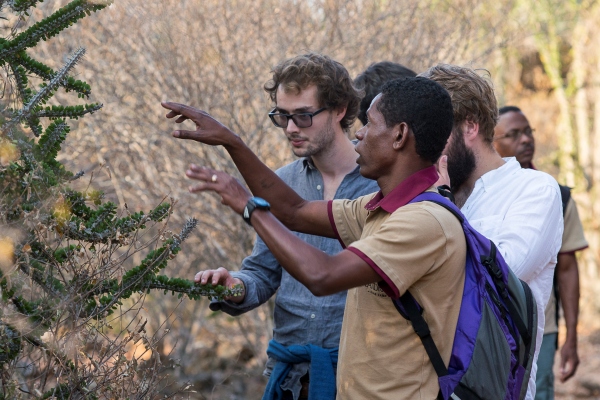
Mandrare River Camp
The camp has funded more than 400 high-efficiency cooking stoves, which have reduced annual charcoal demand by approximately 50 tonnes, saving around 26.5 hectares of spiny forest each year. Mandrare River Camp produces its own sustainable charcoal using waste from local sisal farms. So far, over seven tonnes have been produced, saving two more hectares of forest.
Madagascar Classic Collection has more than 6,100 community members involved in conservation initiatives and replanting over 100,000 octopus trees, a vital step in restoring this fragile ecosystem.
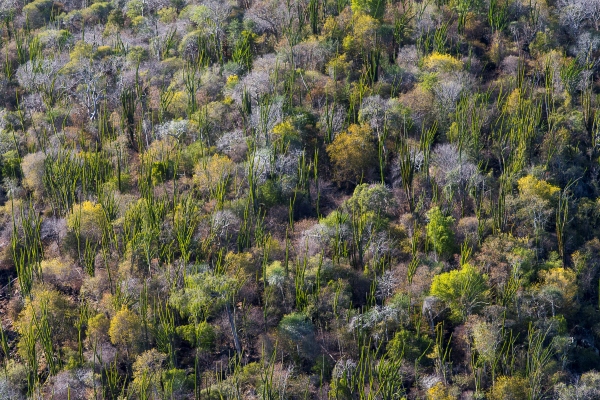
Mandrare River Camp, spiny forest
Madagascar Classic Collection own Namoroka Tsingy Camp near the inaccessible Namoroka National Park in north-west Madagascar and fund a conservation research station operated by Wildlife Madagascar. Researchers have already identified seven species that could be new to science. Further collaboration is planned, with Wildlife Madagascar opening research camps at Mandrare River Camp in 2026 and at Manafiafy Forest Lodge, strengthening long-term conservation and protecting Madagascar’s fragile ecosystems.

Namoroka Tsingy Caves
On an island as vast as Madagascar, it’s impossible for us to lead projects everywhere, but it is very encouraging to see so many inspiring initiatives being driven by our tourism partners in remote parts of the country.
Masoala Forest Lodge
Just reaching Masoala Forest Lodge is an adventure — an hour-and-a-half flight from Antananarivo (Tana) and a one-hour boat journey along Madagascar’s east coast. The lodge is in the “hotspot within the hotspot” of Madagascar’s biodiversity. The Masoala Peninsula has the largest remaining tract of pristine rainforest on the island. Conservationists estimate that without protection, logging and slash-and-burn agriculture could destroy up to 50% of this forest and its wildlife by 2050. Masoala Forest Lodge has a crucial role in safeguarding this habitat by providing employment and income for local communities, reducing reliance on destructive land-use practices.
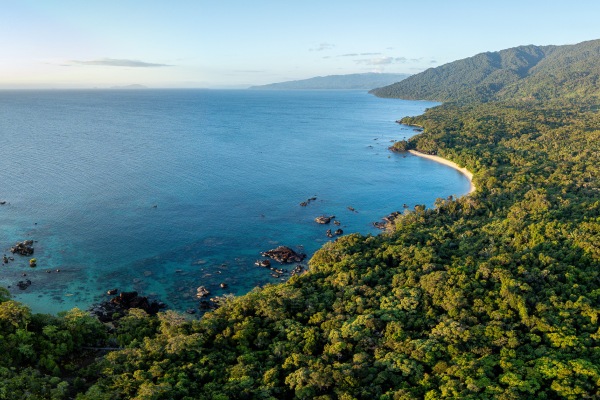
Masoala Forest Lodge
Anjajavy
The Anjajavy Peninsula on Madagascar’s north-west coast, accessible only by air from Tana, is over 26,500 acres of dry deciduous forest, home to an extraordinary concentration of wildlife, including five critically endangered, 14 endangered, and 13 vulnerable species, mostly endemic to Madagascar.
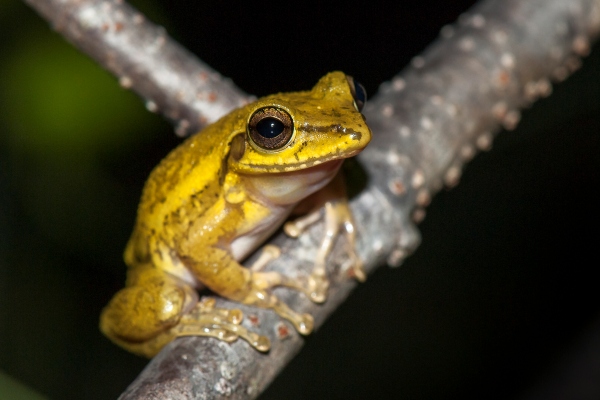
Anjajavy, photo credit Louise Jasper
Among Anjajavy’s most ambitious plans is the revival of the Madagascar giant tortoise, believed to have disappeared from the island between 500 and 1,300 years ago. They aim to reintroduce these giants into their natural habitat and with education and collaboration with local communities, there is strong hope for the project’s success. By supporting and employing local villagers, Anjajavy provides livelihoods and reduces pressure on the forest.
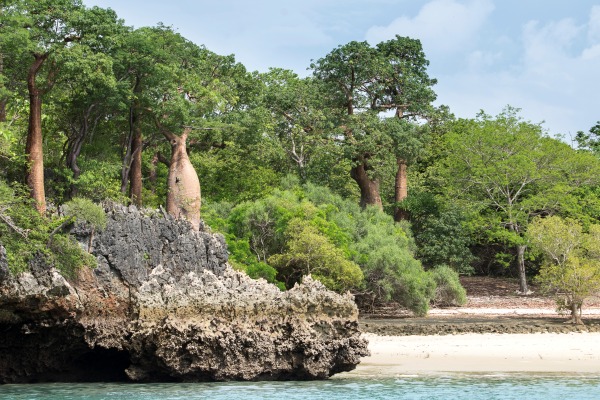
Anjajavy
Visiting Madagascar has the power to change lives – your own, and those of the people and ecosystems that call this remarkable island home.”
You might enjoy reading the following blogs:
The Magic of Madagascar
The best place to see Primates
What next?
Get inspired and sign up to our free Insiders Guide to Africa. We would be delighted to help with planning your perfect safari holiday, whenever you want to travel. Our team of experts has travelled widely throughout Africa and the Indian Ocean and can offer expert advice. Do get in touch – chatting to people by phone or email is what we do best. We listen, we explain, we answer all sorts of questions even those you didn’t know to ask, and finally we make suggestions. If this is your first time to Africa or your twenty first, we have a team standing by to help make the planning easy and the journey the best ever. Please get in touch whatever stage you’re at.

 Goliath Safaris[/caption]
 Chad Katavi[/caption]
 Jack's Camp[/caption]

Leave a Reply