
African riding safaris: FAQs

Thinking about booking a riding safari and not sure what to expect? Our resident riding safari expert Lucinda answers the most common questions our clients ask – from what to pack and the type of riding involved, to food, accommodation, and whether non-riders or children can come along too. Whether you’re a seasoned rider or planning your first trip, this guide will help you feel fully prepared for the adventure ahead.
Do I need to bring my own riding equipment?
Yes, we strongly recommend bringing your own helmet to ensure a proper fit – safety is a top priority. Half chaps with short riding boots are a practical alternative to long boots, taking up less luggage space and keeping you cooler. We’ll also provide a full packing list, including non-riding essentials like sunscreen, insect repellent, and toiletries.

Elephant encounters with Wait a Little African Big Five Horse Safaris, Hoedspruit, South Africa
What should I pack for a riding safari?
You can afford to pack pretty light as a full laundry service is offered in most riding safari camps, so albeit the luggage weight restrictions for your internal flights are usually limited, you need less than you think. Given that you’ll be riding through the bush, it’s best to blend in with the natural surroundings. Earthy tones like green and beige are ideal. Avoid bright colours like white, pink, or yellow, as they can be distracting and less suited to the environment. Long, lightweight sleeves are also a good idea to protect against sunburn and scratches.
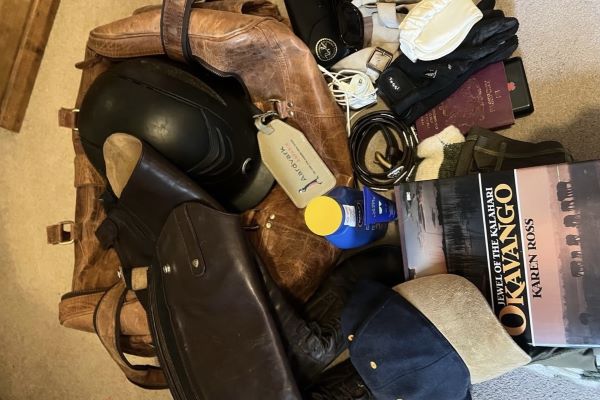
Lucinda’s bag packed for her riding trip in the Okavango Delta, Botswana
What is the accommodation like?
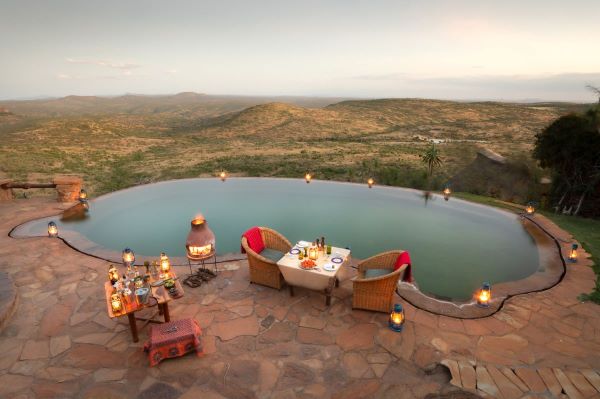
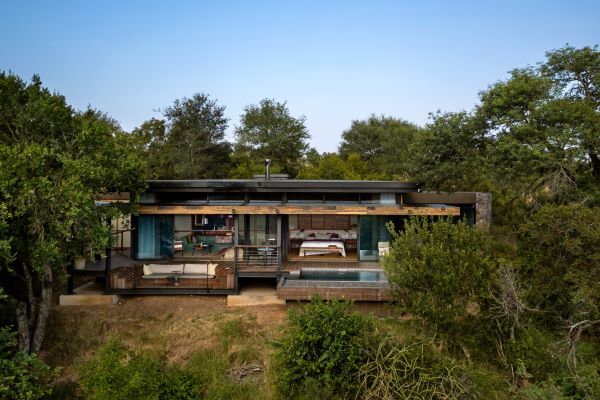
When it comes to accommodations on riding safari, there are a range of experiences to suit different preferences. The style of accommodation can vary depending on the safari you choose—from sleeping under the stars on stretcher beds with Namibia Horse Safari Company to staying in stylish, authentic tented camps in Botswana with African Horseback Safaris or enjoying the comfort of a charming lodge in Kenya with a stay at Ol Malo Lodge. If you have any specific requirements – such as ensuite bathrooms, or if you’re unsure about long-drop toilets or bucket showers – just let us know. We’ll match you to a safari that suits.
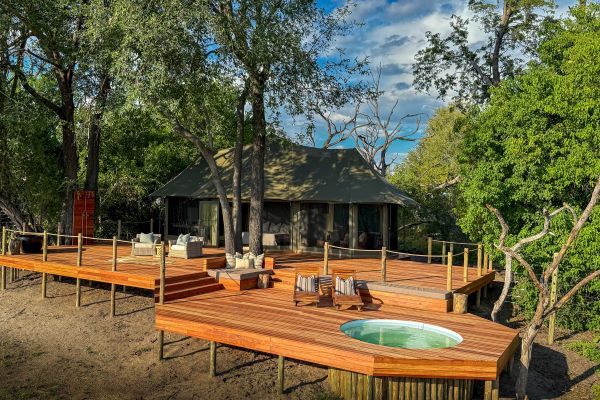
Macatoo Camp, Okavango Delta, Botswana
What will I be eating?
You can expect delicious, well-prepared meals made with fresh, local ingredients. On mobile riding safaris, it’s especially impressive what the chefs produce with limited facilities. Meals are included in the cost of your safari, along with drinks — a welcome reward after a day in the saddle. Dietary requirements such as gluten-free, vegetarian or vegan can easily be catered for; just let us know in advance.
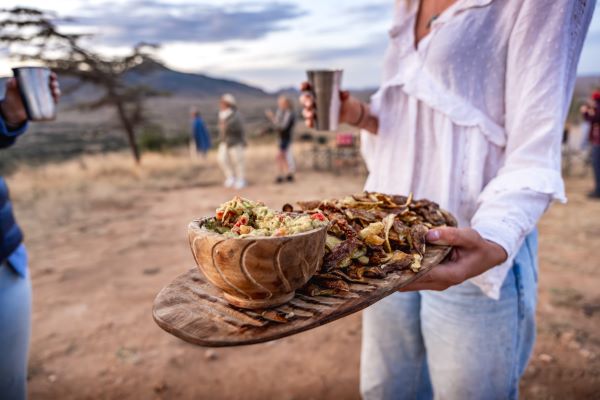
Offbeat Riding Safaris, photo by Sarah Farnsworth
Are their weight restrictions on a riding safari?
Weight limits for riding safaris vary, typically ranging from 85-95kg, while lodge-based safaris may allow up to 100kg. Some operators may consider factors beyond weight, such as riding experience and height, to ensure safety and a suitable horse match. There is often a supplement charge for a second-horse for heavier riders.
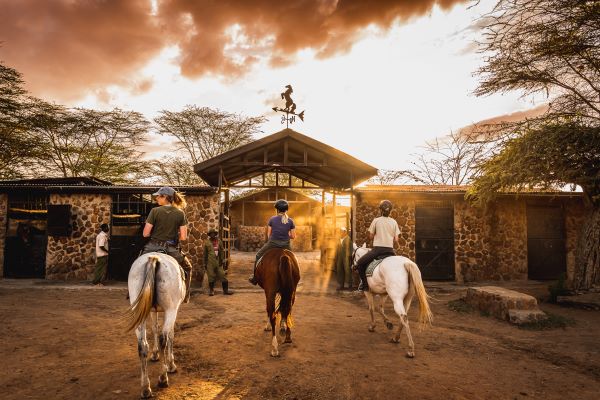
Sosian Lodge, Laikipia, Kenya
Can children join a riding safari?
For a lodge-based riding safari, there are often no age limits for children to join a ride, including on the lead rein. For a mobile riding safari however, most require riders to be over a certain age, typically around 14, and of a certain riding ability for safety reasons.
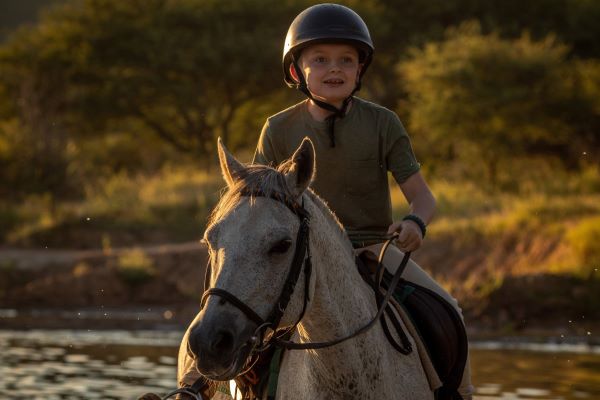
Children riding at Ant’s Nest, Waterberg, South Africa
What type of tack is used?
There are a range of saddles used on riding safaris, depending on the country and preference of the operator, as well as the most suitable tack for your individual horse. The most commonly used saddles are English general-purpose saddles.
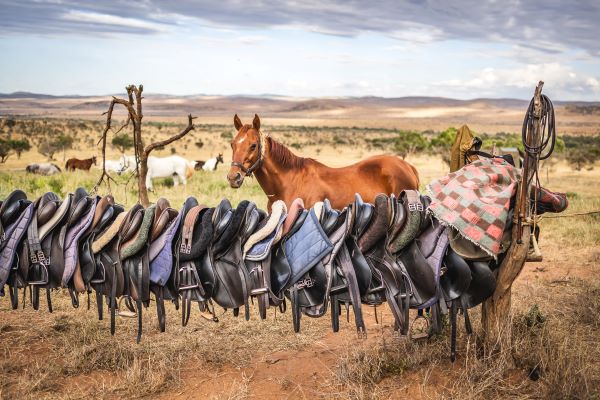
Image by Sarah Farnsworth
Can non-riders join a riding safari?
There are a good number of riding safari lodges and camps that cater to non-riders brilliantly. There are many alternatives to riding such as fishing, wildlife-drives, cycling, walking, boat trips, helicopter flights, so, you can pick and choose what you fancy doing each day. They are fantastic at keeping everyone happy, with non-riders and riders meeting up for sundowners and meals. Non-riders sometimes even benefit from a small discount, and there’s often an argument who has the better time – the riders or the non-riders.
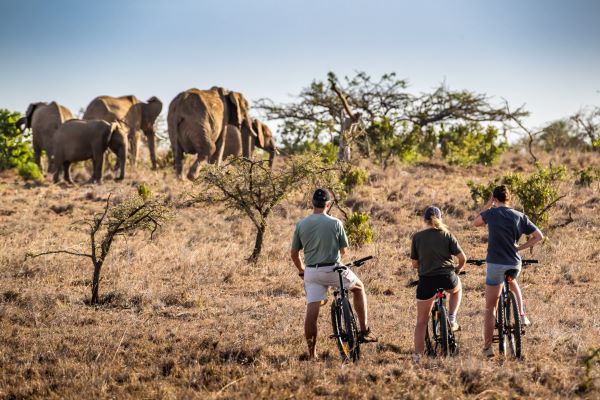
Cycling safari, Borana Lodge, Laikipia, Kenya
How long will I be in the saddle each day, and how fast-paced is the riding?
Riding safari rides typically vary in length but generally involve a morning ride of 2-4 hours, followed by a shorter afternoon/evening ride of 1-2.5 hours. On a mobile riding safari, there are moving days which may include slightly longer days in the saddle, broken up with a picnic lunch and siesta to give both riders and horses a break in the heat of the day.

Riding in the waterways of the Okavango Delta, Botswana
Can I add-on some additional African travel to my riding safari?
Yes, we specialise in adding tailormade African travel, so we can definitely help add on some time at the beach, or the likes of Cape Town, or the mighty Victoria Falls, to your riding safari. Once we whittle down the riding safari options, we can then look into locations that work well with the ride of your choice. We can also explore the option of some riding on the beach if that was of interest. We also organise international flights, airport transfers, and are ATOL-protected for complete confidence when you travel.

Explore the city of Cape Town, South Africa
How much does a riding safari cost?
All the riding safaris range hugely in price, the most cost-effective being Horizon’s African Explorer ride which starts from about £2,700 per person sharing for seven nights. The Okavango Delta and Masai Mara rides are among the most exclusive options, with the Offbeat Riding Safari’s Masai Mara priced at £8,400 per person sharing for seven nights in peak season – both offering an exceptional riding experience.
When to travel?
Africa is a year-round destination and although there are certain countries that are best visited at specific times of tear, there really is somewhere for every month. Please take a look at our ‘When to Travel’ page for further climate information.
What next?
Get inspired and sign up for our free Insiders Guide to Africa. We would be delighted to help with planning your perfect safari. Our team of experts has travelled widely throughout Africa and the Indian Ocean and can offer expert advice. Do get in touch – chatting to people by phone or email is what we do best. We listen, we explain, we answer all sorts of questions, even those you didn’t know to ask, and finally we make suggestions. If this is your first time to Africa or your twenty first, we have a team standing by to help make the planning easy and the journey the best ever. Please get in touch, whatever stage you’re at.



2 experienced riders looking for a 2 day riding experience in Namibia in Jan 2026. Suggestions please!
Dear Penny, thanks for you comment. One of our riding expert’s will be in touch with you shortly. Best wishes, Maggie