
How to enjoy an African safari away from the crowds
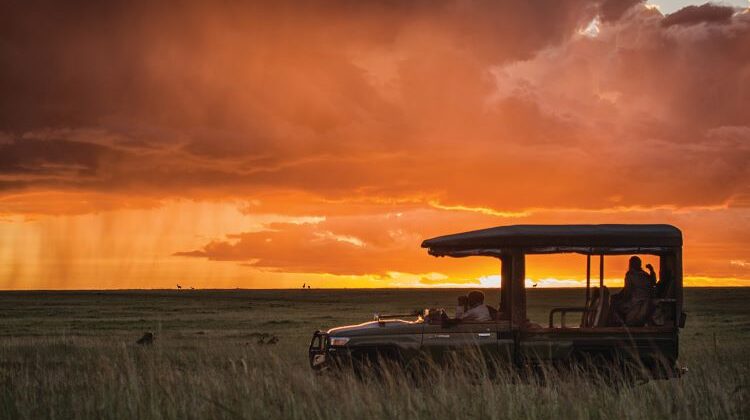
For over 26 years, we have been working hard to find excellent wildlife habitat without large visitor numbers, and our guests understand the value of this, too. We find that private conservancies and concessions offer excellent wildlife viewing in peaceful surroundings with expert guides, and the wildlife is given the space and respect it deserves. Encouraging guests to spend longer in fewer places also allows them more time to savour the setting, immerse themselves in wilderness and wildlife, and the glorious freedom of spontaneity – the ability to respond to unfolding events rather than joining a traffic jam… of course, being able to just sit and wait and listen to bird song and the breeze humming through the grass and trees can also be magical.

Walking safari Chem Chem Lodge, Tanzania
The Serengeti is so vast that it has peaceful parts, generally where the migration is not, and especially places which are a little more remote, such as the Western Corridor, the Kusini section in the south, the eastern plains towards the Ngorongoro Crater Highlands, and two huge private conservancies in the south and west.
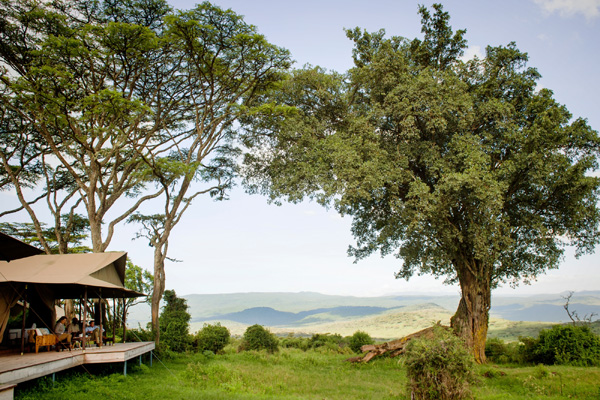
Entamnamu Ngorongoro Lodge, Tanzania
Ngorongoro Crater is renowned for its excellent wildlife population and offers the best chance to see rhinos in northern Tanzania. While its popularity often draws crowds, our travel expert, Lucinda, discovered a quieter side to the Crater during her visit in late March. Arriving just before the ‘long rains’ of the low season, she found the typical tourist traffic had vanished. Being among the first onto the Crater floor, Lucinda was rewarded with a rare sighting of a caracal—an encounter made possible only by the morning’s stillness. Had the area been busier, this notoriously skittish cat likely would have remained hidden.
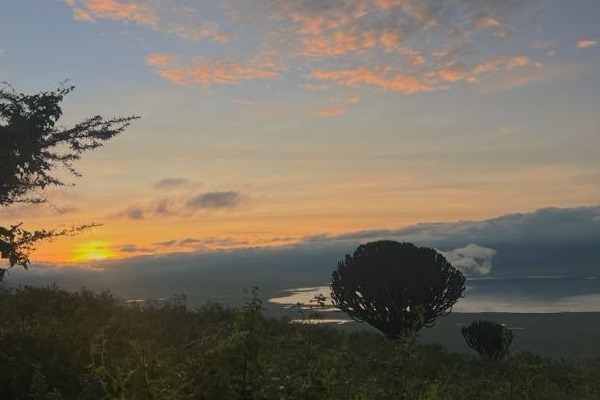
Views of Ngorongoro Crater in Tanzania, captured by Lucinda
Botswana’s Okavango Delta, the private conservancies around the edge of the Masai Mara, and community owned conservancies in Namibia are prime examples of excellent conservation and community development models which enable local people to derive an income from resident wildlife and encourage them to perceive wildlife and conservation as a good thing for them, their families, and the future of their land. With strictly limited numbers of rooms, guests, and vehicles, they give guests the best possible experience of Africa’s beautiful landscapes and wildlife and allow them the freedom to explore everything at their own pace. These wonderful places also give back to the local people to a much greater extent than national parks can usually afford to do, and they encourage the expansion of wildlife habitat by giving the people a reason to value it.
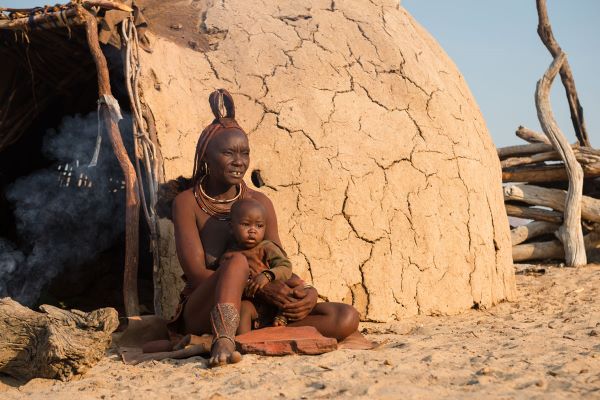
Himba Village visit with Hoanib Valley Camp, Namibia
The Maasai people in the Masai Mara have a massive amount of respect for the wildlife they share their land with, and have become enthusiastic and dedicated partners in conservation. Many families voluntarily moved their homes and livestock out of several zones of excellent habitat, such as Naboisho and Ripoi conservancies. In Mara North and Olare Motorogi the landowners were persuaded of the merit of doing so by the financial benefits they foresaw, which have allowed them to build better houses, educate their children, and provide healthcare for their whole family. A result of the additional habitat on offer, wildlife populations have grown year by year to levels not seen for many decades, and whether it’s a drought or a wet year, the Maasai have a reliable source of income regardless of the fortunes of their livestock. The conservancies also allow visitors to enjoy high-quality wildlife sightings without being crowded or being restricted to vehicles. Walks, meeting the people, and night drives are all encouraged. It truly is a win-win situation for everyone.
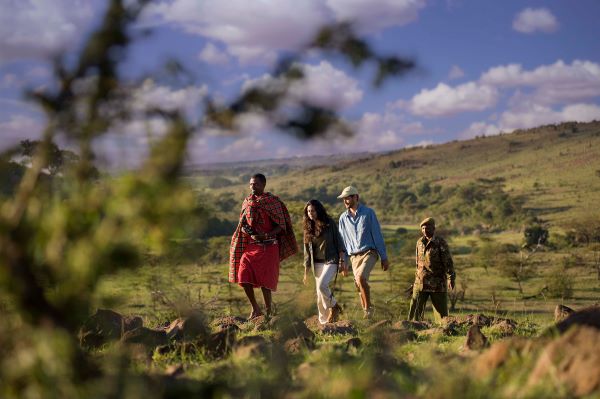
Maasai guided walk, Kenya
Naturally, safari guides across Africa want to be responsive and show their guests the wildlife and action that most interests them. Many guides are reasonably well paid, but tips make a big difference to what they can do for their families, and the urge to maximise them is very hard, perhaps impossible, to resist. As wildlife tourism keeps growing and social media feeds the frenzy of people desperate for ludicrous pictures and ‘likes’ it becomes harder to manage conduct around wildlife. It seems that too many visitors have no understanding of or respect for the wildlife upon whose habitat they are encroaching. African guides are mostly modest, decent, and very respectful people who care about their clients and the places where they work, but it’s really hard for them to educate overseas guests about the need for respect for the wild, especially when they may not be speaking each other’s first language.
This can lead to some awful scenes at wildlife hotspots such as river crossings on the Mara and Talek rivers in the Serengeti and the Masai Mara; vehicles crowding crossing points, blocking the path of wildebeest and zebra trying to cross, and forcing them to turn back into the water, leading to increased stress and more animal deaths.
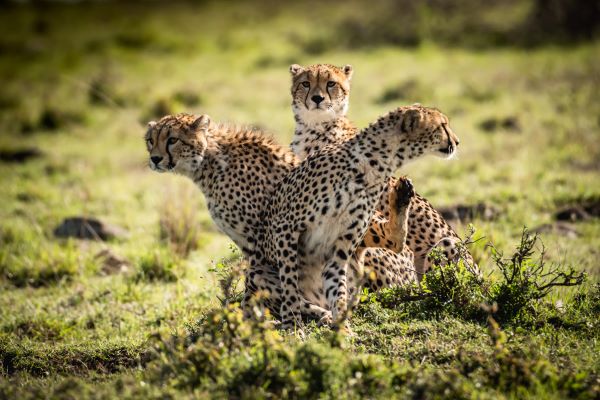
Cheetah on the lookout, Masai Mara, Kenya
We know that the best safari isn’t just about what you see, but how you see it. A safari should be a private window into the wild, not a spectator sport. We work hard to keep our guests away from congested “sighting scenes,” focusing instead on high-quality, low-impact tourism and are committed to ethical tourism that protects Africa’s iconic landscapes. By choosing the right location, camps and lodges, we ensure your presence supports the environment rather than intruding upon it.
What next?
Get inspired and sign up to our free Insiders Guide to Africa. We would be delighted to help with planning your perfect safari holiday, whenever you want to travel. Our team of experts has travelled widely throughout Africa and the Indian Ocean and can offer expert advice. Do get in touch – chatting to people by phone or email is what we do best. We listen, we explain, we answer all sorts of questions even those you didn’t know to ask, and finally we make suggestions. If this is your first time to Africa or your twenty first, we have a team standing by to help make the planning easy and the journey the best ever. Please get in touch whatever stage you’re at.

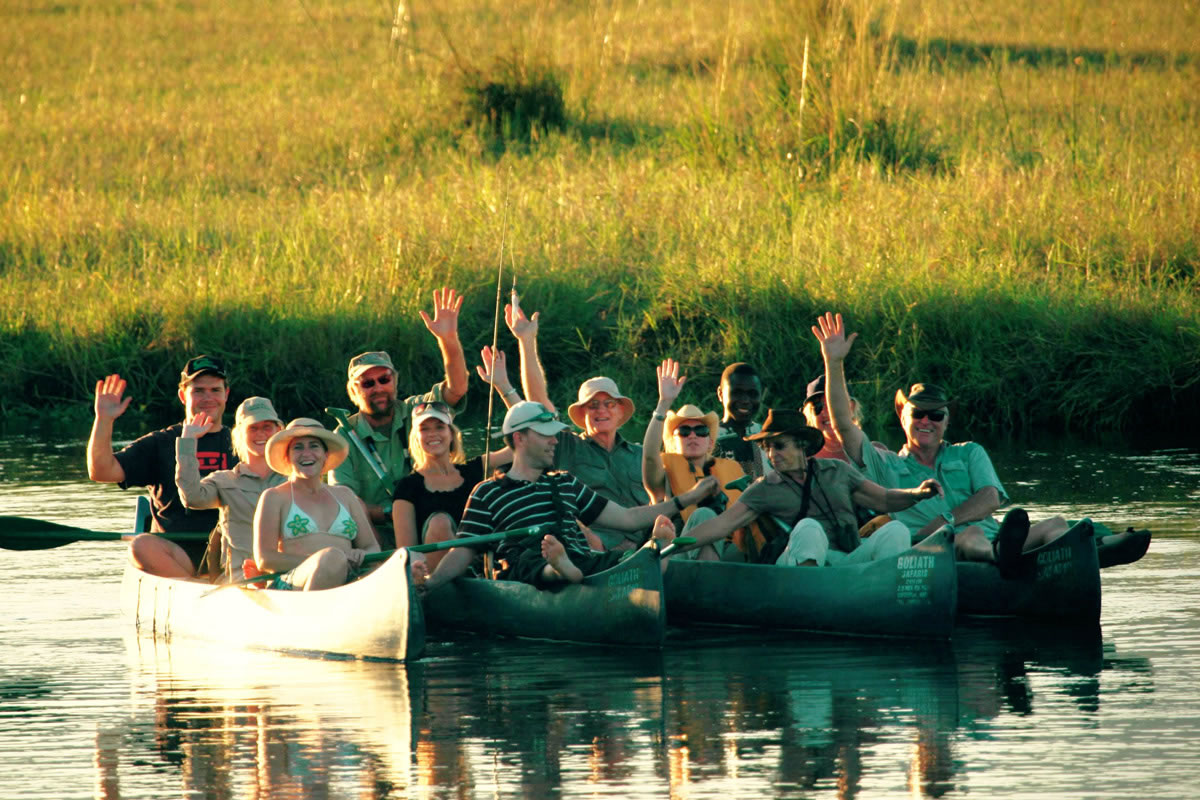 Goliath Safaris[/caption]
 Chad Katavi[/caption]
 Jack's Camp[/caption]
Leave a Reply