
Botswana green season safari – an expert’s guide
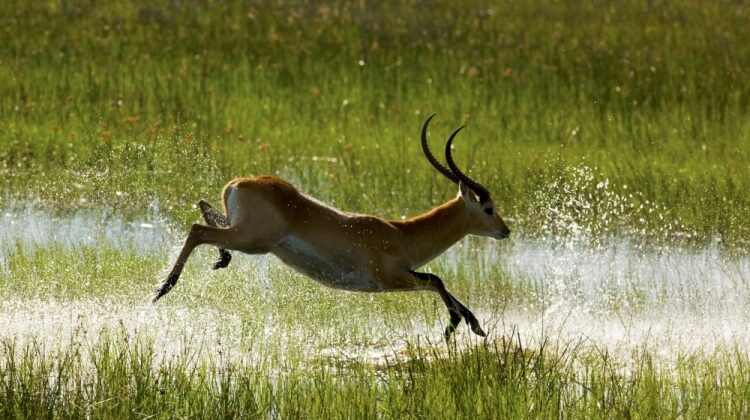
Movement, colour, and new beginnings
The Botswana green season (January to March) is a wonderful time to visit and offers a relaxed pace in camp, exceptional value, and all the extraordinary wildlife for which Botswana is so rightly celebrated.
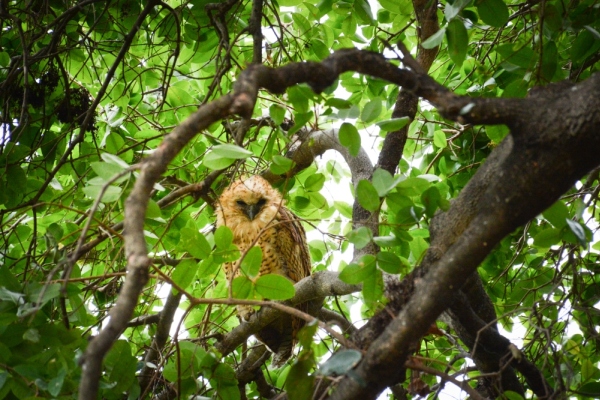
Kwando – Okavango Delta, Pel’s fishing owl
Many photographers and wildlife enthusiasts get very excited about the latter part of the dry season in September and October, when herbivorous wildlife gets stressed by the lack of food and water, and predators run riot around the remaining water sources. In contrast, a green season safari in northern Botswana is a joyous time, with plenty of youngsters, lots of well-fed and healthy-looking herbivores, and a wealth of migrant birds, which sometimes include flamingos.
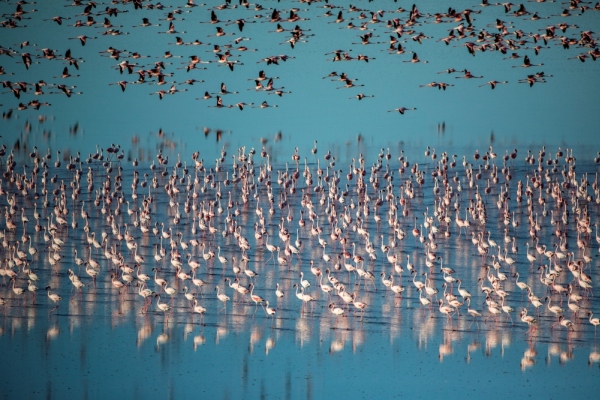
Natural Selection – Makgadikgadi Pans, flamingos
They nest on the Makgadikgadi Pans when the water is deep enough to get jackals’ bellies wet… jackals dislike having the intensely alkaline water on their skin. The Kalahari itself blooms, camel thorns produce protein-rich seed pods, and grasses fill the valleys between the dune ridges. Big herds of eland, oryx, springbok, and impala can be seen in the northern reaches of the Central Kalahari Game Reserve, and large numbers of kudu, zebra and giraffe, too.
For anyone with a camera in hand, the green season is incomparable. The land is many shades of green, and the air is washed clean of dust, resulting in a crisp, cinematic light, especially during the “Golden Hour” following an afternoon storm.
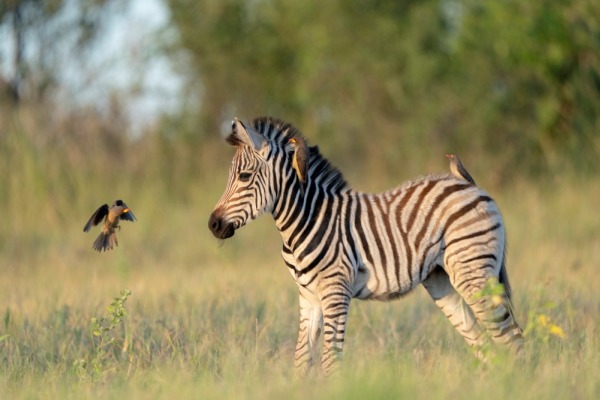
Desert and Delta – Makgadikgadi Pans, baby zebra
Taller grass can make wildlife harder to spot in some parts of Africa, but in Botswana’s private concessions, trackers and guides are not restricted to marked roads, allowing them to follow the action wherever it leads. The wildlife moves freely across these vast landscapes, and for a skilled guide, the seasonal greenery is simply a beautiful backdrop to the drama they know how to find.
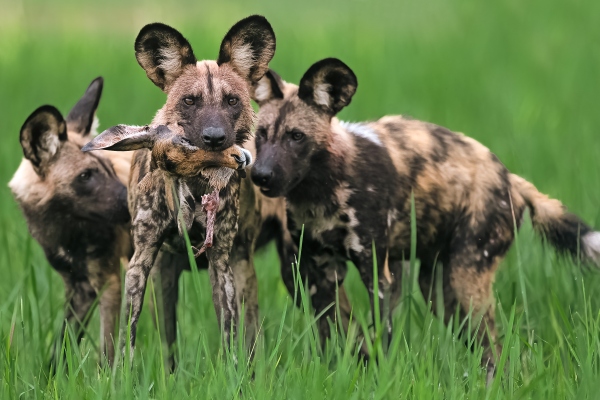
Kwando – Okavango Delta, wild dog
In the Okavango Delta, I especially like Shinde Camp, Duba Explorers, and Selinda Camps at this time of year, and in the Makgadikgadi Pans, it’s Camp Kalahari and Jack’s Camp for the incredible sight of thousands of zebra and wildebeest converging on the rich grazing around the Pans and possible access to flamingos.
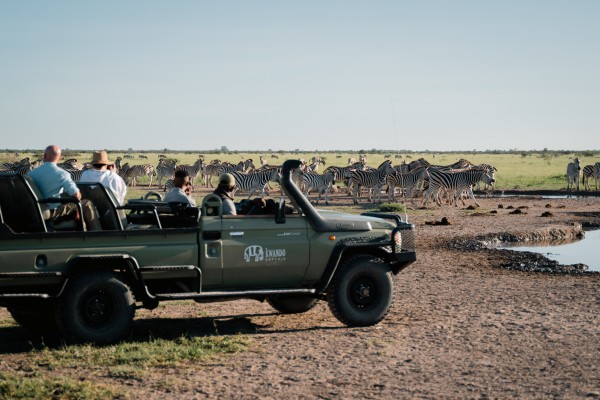
Kwando – Naxi Pan, zebra migration
After years of lower-than-average rainfall and flood waters, 2025 delivered a great flood, and 2026 is shaping up to be a record year with heavy rains in Botswana and optimistic predictions of the wet cycle. In Botswana, this relates to rain between December and March and the annual Okavango flood, which arrives from Angola from May, and recedes in late August or September.
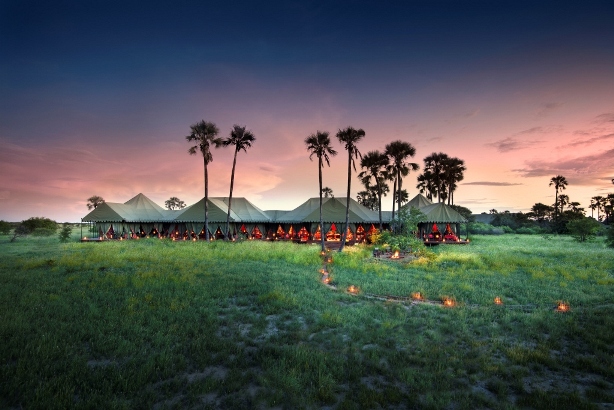
Jack’s Camp – Makgadikgadi Pans
I recently caught up with several of our guests who shared these wonderful highlights from their green season safari.
“It was SO Good! Thank you for arranging such wonderful camps. We had storms, power cuts, terrific thunderstorms, wonderful birds and animals and warm weather.” Rachel
“We had an amazing time! It was really wonderful and one of the best holidays we have ever had.” Rupert and Arabella
Our team of Travel Experts and I bring deep, first-hand knowledge of Botswana’s flood patterns, meaning we can guide you to exactly the right lodges at exactly the right time.
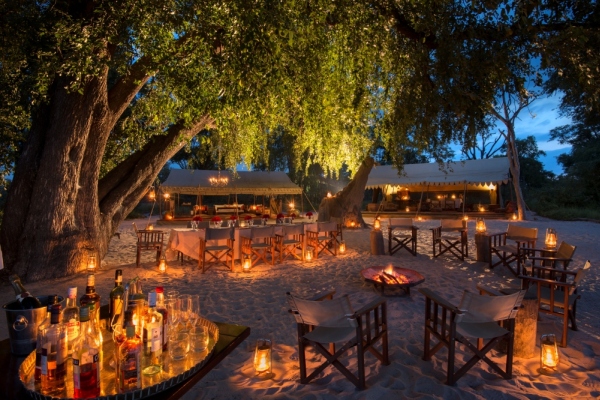
Selinda Explorers Camp – Okavango Delta
What next?
Get inspired and sign up to our free Insiders Guide to Africa. We would be delighted to help with planning your perfect safari holiday, whenever you want to travel. Our team of experts has travelled widely throughout Africa and the Indian Ocean and can offer expert advice. Do get in touch – chatting to people by phone or email is what we do best. We listen, we explain, we answer all sorts of questions even those you didn’t know to ask, and finally we make suggestions. If this is your first time to Africa or your twenty first, we have a team standing by to help make the planning easy and the journey the best ever. Please get in touch whatever stage you’re at.

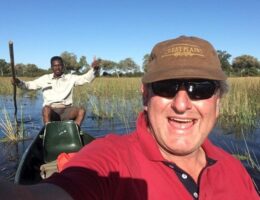
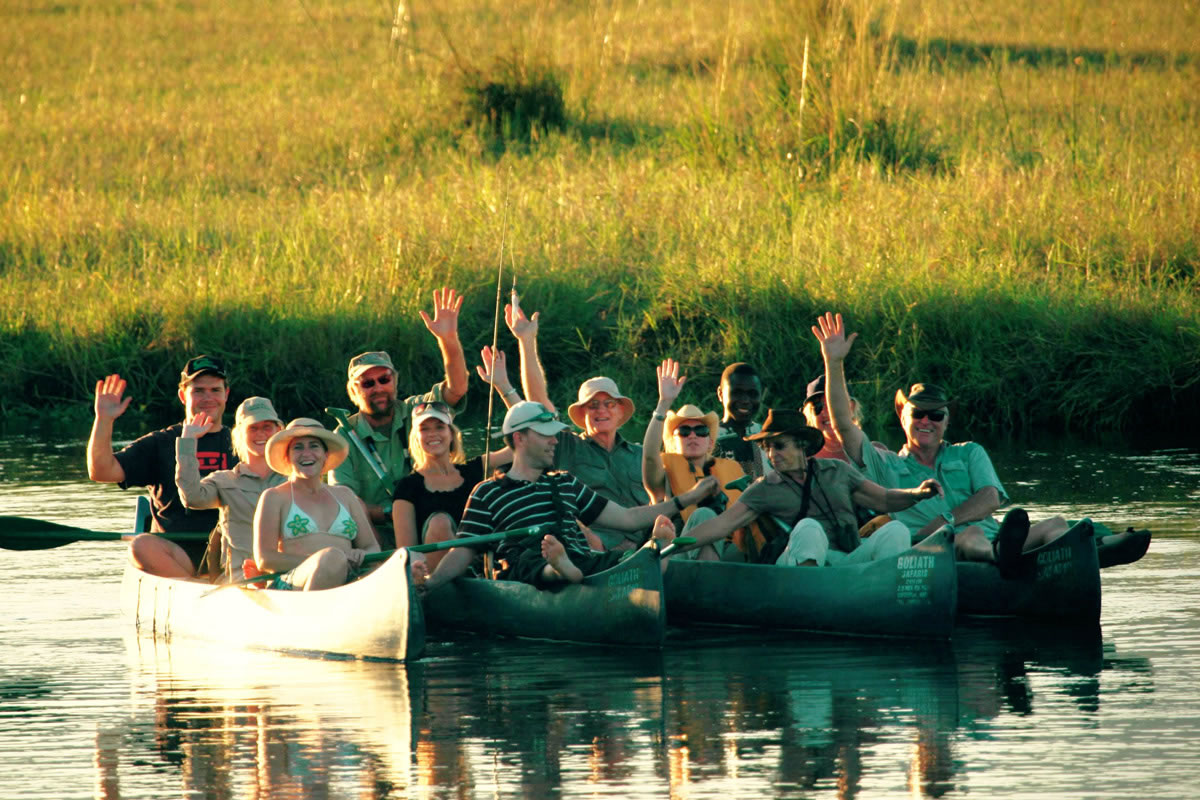 Goliath Safaris[/caption]
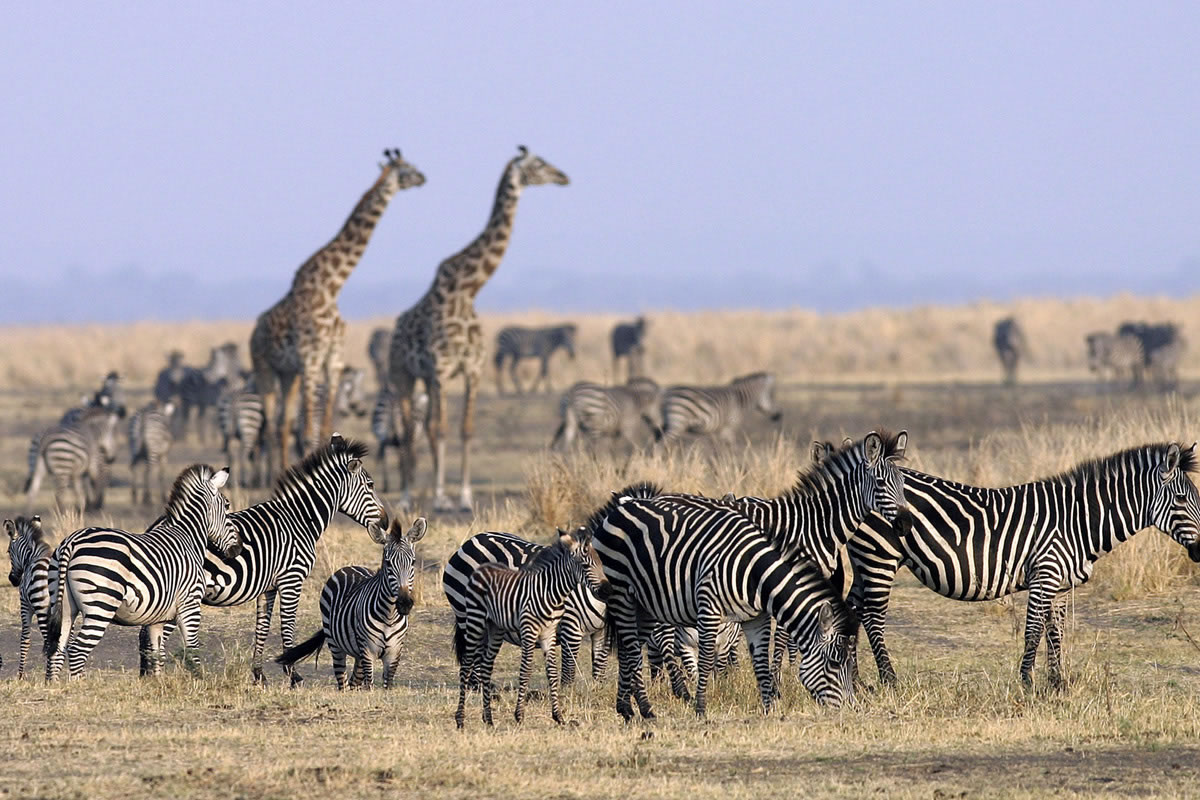 Chad Katavi[/caption]
 Jack's Camp[/caption]
Leave a Reply